
If you’ve ever bought a small bag of pine nuts and felt surprised by the price, you’re not alone. Pine nuts are one of the most expensive nuts and seeds in the world, and the cost can seem unusually high compared with almonds, peanuts, cashews, or sunflower seeds. The reason is not just “because they’re fancy.” Pine nuts are expensive because they are difficult to harvest, slow and unpredictable to produce, costly to process, highly perishable, and often grown in remote regions with limited infrastructure. On top of that, global demand remains strong because pine nuts are prized for their rich flavor, delicate texture, and premium culinary value.
In this article, we’ll break down exactly why pine nuts cost so much, what affects their supply, and how to buy them wisely without overpaying for poor quality.
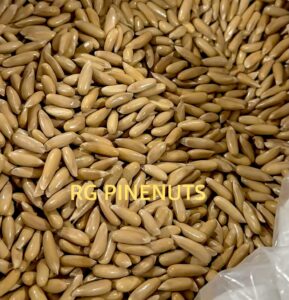
Pine nuts are the edible seeds found inside pine cones from certain pine tree species. Despite the name, they are not true nuts in the botanical sense. They’re small, soft, buttery seeds with a mild sweetness and a rich, almost creamy flavor.
They are used in:
Because they are prized in gourmet cooking, pine nuts have long been treated as a premium ingredient. But their high culinary reputation is only part of the reason they are expensive.
There isn’t one single reason pine nuts are costly. Instead, several factors combine to push the price up.
One of the biggest reasons pine nuts are expensive is the harvesting process. Pine nuts do not grow in neat rows like farm crops. They are usually collected from pine trees that grow in forests or mountain regions.
Harvesting often involves:
This process takes time, skill, and physical labor. Unlike machine-harvested crops, pine nuts often require people to do much of the work by hand. Labor costs naturally make the final product more expensive.
Pine trees are slow-growing. They may take many years before they begin producing cones in useful amounts. Even after that, they do not necessarily produce large, consistent harvests every year.
That long growth cycle means:
When a crop takes a long time to mature, it tends to cost more. Pine nuts are a classic example of this.
Even when pine cones are harvested successfully, the amount of edible seed inside can be quite small. A lot of raw material is needed to produce a relatively small amount of pine nuts.
This low yield is another reason the price remains high:
In other words, the output is low relative to the effort, which pushes up the per-pound cost.
Pine nuts are not ready to eat right after collection. They need to be:
Each step adds cost. The shells are hard, and processing can damage the delicate seeds if not done properly. Because the kernels are soft and oily, they need careful handling.
This processing stage matters a lot. Poor handling can lead to broken pieces, rancidity, or spoilage, all of which reduce value and increase the price of the final high-quality product.
Pine nuts contain natural oils, which makes them rich and flavorful, but also more vulnerable to going bad. If they are stored improperly, they can become rancid relatively quickly.
That means sellers must invest in:
All of those steps increase cost. Foods that spoil easily often have more expensive supply chains because quality must be protected all the way from harvest to consumer.
Pine nut production is naturally limited. Unlike major crops such as wheat or corn, pine nuts are not usually produced in huge industrial quantities. Harvests may vary from year to year depending on:
If a season produces a smaller crop, prices rise. If demand stays strong while supply falls, prices can rise sharply. Limited and unpredictable supply is one of the clearest answers to why pine nut so expensive.
Pine nuts are often grown in remote or mountainous areas. That geography affects the price in several ways.
Many pine nut-producing regions do not have easy access to roads, warehouses, or modern logistics networks. Moving raw nuts from forests to processors and then to export markets can be slow and expensive.
In some regions, there are fewer:
That means more manual handling and more losses during transport.
In some countries, instability or economic challenges can disrupt harvesting and exports. Any interruption in the supply chain may reduce availability and raise the market price.
Compared with peanuts, almonds, walnuts, or cashews, pine nuts tend to be much more expensive because those other crops are often produced on larger, more efficient commercial farms.
Here’s why pine nuts stand out:
So while many nuts benefit from large-scale agriculture, pine nuts remain relatively niche and difficult to produce at high volumes.
Pine nuts are not only expensive because they are hard to produce; they are also expensive because people want them.
They are a signature ingredient in pesto and a favorite in gourmet cooking. Chefs and home cooks value their flavor and texture.
Pine nuts are seen as nutrient-dense and “premium” because they contain:
Many consumers associate pine nuts with high-end food products. When a product is seen as premium, buyers may be willing to pay more for it.
Strong demand plus limited supply is a classic recipe for high prices.
Not all pine nuts are the same. The market often separates nuts by:
Higher-grade pine nuts cost more because they are cleaner, more uniform, and better tasting. Lower-grade nuts may be cheaper, but they can also be broken, stale, or less flavorful.
So when people ask why is pine nut so expensive, part of the answer is that they are often sold as a premium graded product, not a commodity food.
Pine trees are sensitive to environmental conditions. Climate change, drought, wildfires, pests, and deforestation can all affect cone production.
If a pine forest is damaged, that can lead to:
Because pine nuts depend heavily on healthy forests, environmental problems can quickly affect market prices. This is another major reason they remain expensive.
Pine nuts are usually harvested during specific seasons, not year-round. Seasonal production creates supply bottlenecks.
During harvest season:
Outside the season, there is less fresh supply available. This seasonal nature makes market pricing less stable and often higher.
Since pine nuts can go rancid, they often need special handling before reaching store shelves. Businesses may use:
These extra steps protect product quality but also raise expenses. The cost of maintaining freshness becomes part of the final retail price.
If you buy organic pine nuts or imported pine nuts from a specialty retailer, the price can go even higher.
That is because the cost may include:
A product that is already expensive to produce can become even more costly when it crosses borders and passes through several layers of distribution.
For many people, yes. Pine nuts are expensive, but they offer a unique flavor and texture that few other ingredients can truly replace.
They are worth the price if you value:
If you only need crunch or a basic topping, cheaper seeds may be a better buy. But if the recipe specifically calls for pine nuts, the difference is noticeable.
If you want to enjoy pine nuts without wasting money, here are some smart buying tips:
Since pine nuts can go stale, small bags are often better than bulk purchases unless you use them often.
Look for a fresh, clean smell. If they smell bitter or oily in a bad way, they may be rancid.
Prices vary depending on origin, grade, and packaging.
Keep pine nuts in an airtight container in the refrigerator or freezer to extend shelf life.
Because they are expensive, use pine nuts as a finishing ingredient rather than the main bulk component in a recipe.
Yes, if you want a similar effect in recipes, you can often use:
These may not taste exactly like pine nuts, but they can provide crunch, richness, and visual appeal at a lower cost.
If you’re making pesto, for example, many cooks use walnuts, almonds, or sunflower seeds as substitutions.
Because pine nuts are difficult to harvest, slow to produce, expensive to process, and often limited in supply.
Peanuts are farmed at scale and are easy to process. Pine nuts come from pine cones and require far more labor.
No. Price depends on origin, grade, freshness, and market conditions.
They contain natural oils that can turn rancid if exposed to heat, light, or air for too long.
Yes. Freezing is one of the best ways to preserve freshness.
So, why is pine nut so expensive? The answer is a mix of biology, labor, logistics, and demand. Pine nuts come from slow-growing trees, are hard to harvest, yield small amounts of edible seed, require careful processing, and spoil relatively easily. Add remote growing regions, limited supply, and strong culinary demand, and the high price starts to make sense.
They may be costly, but pine nuts remain a prized ingredient because of their flavor, texture, and versatility. If you use them sparingly and store them properly, they can be a worthwhile addition to your kitchen.