
Pine nuts orgin is one of the most important things to understand if you want to know why some pine nuts taste richer, cost more, or are considered premium in the market. Pine nuts come from specific pine tree species, and their origin can shape everything from flavor and size to texture, freshness, and export value. Some come from wild mountain forests, others from managed woodlands, and a few are tied to very specific regions that have built a strong reputation over time. If you’ve ever bought pine nuts for pesto, salads, baking, or snacking and wondered why one bag tastes different from another, the answer often starts with origin.
In this guide, we’ll explore the main pine nut-producing countries, the tree species that produce edible seeds, how pine nuts are harvested, and why origin matters for buyers, chefs, importers, and food lovers. By the end, you’ll have a much clearer picture of where pine nuts come from and what makes certain origins more valuable than others.
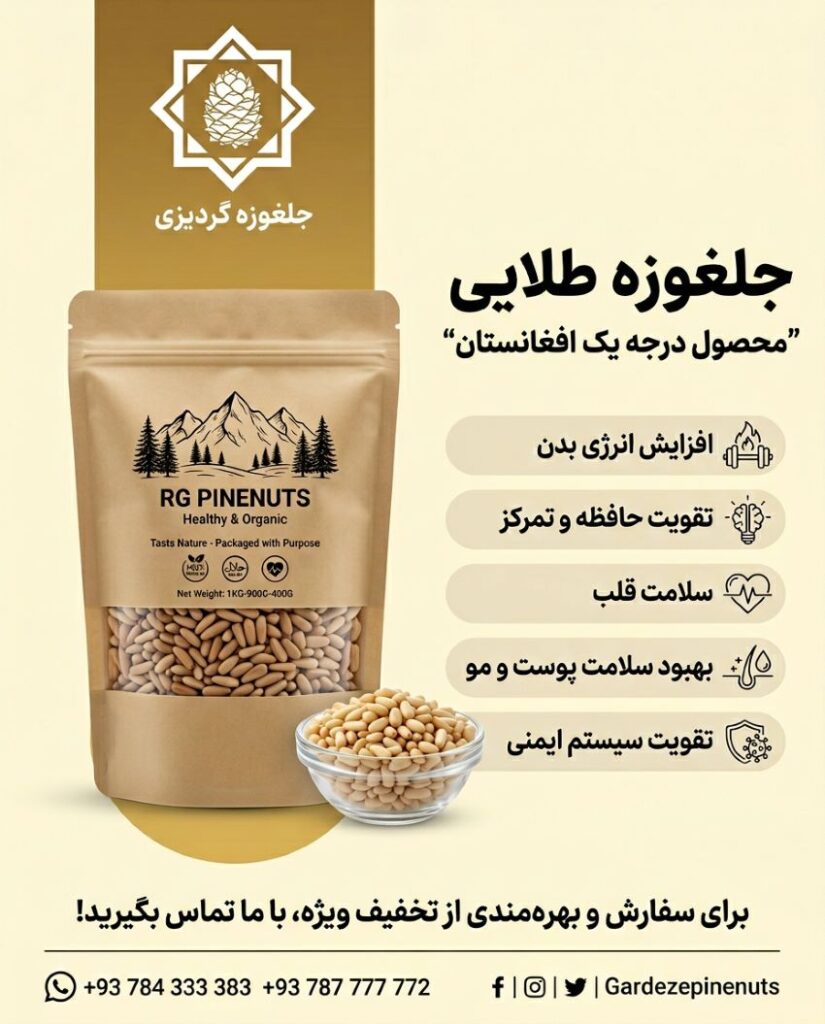
Pine nuts are the edible seeds found inside pine cones from certain pine tree species. Even though people call them nuts, they are technically seeds. They grow inside cones, mature over time, and are collected once the cones dry and open.
Pine nuts are known for:
Because they are rich in natural oils, they can go rancid if stored badly. That is one reason origin and handling matter so much. A pine nut from a great source can still become poor quality if it is harvested or stored incorrectly.
The origin of pine nuts influences many things buyers care about.
Different species and growing regions produce pine nuts with different taste profiles. Some are sweeter, some richer, some more delicate.
Pine nuts from some regions are larger and more uniform than others.
Higher oil content usually means a softer texture and richer flavor.
Certain origins are harder to harvest or are more limited in supply, which makes them more expensive.
Some countries and regions are known for premium pine nut production and strong export quality.
The origin tells you whether the nuts come from wild forests, managed stands, or cultivated systems.
That is why pine nuts orgin is not just a geographic detail. It is a quality indicator.
Pine nuts are produced in several regions globally, but some origins are especially important in trade and cuisine.
Afghanistan is known for chilgoza pine nuts, one of the most prized varieties in the world. These are harvested from mountain forests and are highly valued for their rich flavor and premium quality.
China is a major producer of pine nuts, especially from species like the Korean pine. Chinese pine nuts are widely used in both domestic and international markets.
Stone pine nuts from the Mediterranean are famous in European cooking, especially in pesto and traditional dishes.
Korean pine nuts are also valued for their size and taste, and they are used in cooking and food manufacturing.
Siberian pine nuts are another important variety, often used in local cuisine and export markets.
Pinyon pine nuts from the southwestern United States and parts of Mexico are culturally important and often tied to Indigenous traditions.
Each region produces a slightly different pine nut, and that is why origin matters so much in the market.
Understanding pine nuts orgin also means understanding the tree species that produce them.
Different species mean different kernels, and each origin has its own value in the global pine nut market.
Pine nuts do not come from farm fields like wheat or corn. They come from trees, often in forests or mountain landscapes.
The process works like this:
Some pine nut origins come from natural forests, while others come from managed woodland systems. Because pine trees grow slowly, pine nut production is a long-term process. That is another reason origin can affect supply and pricing.
The harvesting method varies depending on where the pine nuts come from.
In places like Afghanistan and Pakistan, pine nuts are often collected from remote mountain forests. Harvesting can be difficult and physically demanding.
In regions such as Russia or the Mediterranean, pine nuts may be gathered from forested areas with more organized collection systems.
In North America, pinyon pine nuts are often gathered by local communities with deep cultural ties to the land.
In China and some other regions, production can be more organized, with larger-scale supply networks.
The origin affects not only the nut itself, but also how it reaches the market.
When talking about pine nuts orgin, Afghanistan deserves special attention. Afghan pine nuts, especially chilgoza, are considered premium because they come from high-altitude forest regions and are known for rich flavor and natural harvesting methods.
They are prized for:
Afghan pine nuts are often sold at higher prices than some other pine nut types because they are limited in supply and labor-intensive to harvest.
Price is closely tied to origin. Some sources are more expensive because they are harder to harvest, lower in yield, or more highly regarded in the market.
For example, chilgoza from Afghanistan may cost more than some other pine nuts because of remote growing areas and labor-intensive collection.
Not all pine nuts taste the same. That is one of the most interesting things about pine nuts orgin.
Texture can also vary:
For chefs and buyers, knowing the origin helps predict how the nuts will perform in recipes.
Pine nuts from different origins can all be used in cooking, but some are better suited to certain dishes.
Mediterranean pine nuts are often used in pesto and European recipes. Afghan chilgoza may be used more often in premium snack mixes, festive dishes, and export products. North American pinyon pine nuts may appear in traditional or regional foods.
If you are buying pine nuts, origin should be one of the first things you check.
The more transparent the seller is about origin, the easier it is to evaluate quality.
No matter where pine nuts come from, freshness matters. Because they contain natural oils, they can go bad if not stored properly.
Fresh pine nuts from any origin should smell mild, nutty, and pleasant. If they smell bitter or rancid, they may be spoiled.
The origin of pine nuts also tells you something about sustainability.
Sustainable origin matters because pine trees take years to mature and forests can be damaged by overharvesting or land misuse. Responsible sourcing helps preserve future supply.
It refers to where pine nuts come from geographically and which pine species produced them.
That depends on preference, but Afghanistan, the Mediterranean, China, and North America are all known for valuable pine nut varieties.
No. Taste varies by species, climate, origin, and processing.
They may come from difficult-to-harvest regions, have lower supply, or be considered premium by buyers.
Not always, but wild forest origin can add value, character, and market appeal.
Pine nuts orgin is one of the most important things to understand if you want to buy, sell, or cook with pine nuts wisely. Origin affects flavor, texture, quality, price, and sustainability. From Afghanistan’s prized chilgoza to Mediterranean stone pine nuts, from Chinese supply chains to North American pinyon harvests, each origin brings something different to the table.
If you care about taste, freshness, and value, learning where pine nuts come from helps you make better choices. The next time you see a bag of pine nuts, don’t just look at the price—look at the origin. That one detail can tell you a lot about what’s inside.