
Premium pine nuts represent the apex of the edible seed market—a delicate, cream-colored kernel harvested from the cones of specific pine tree species that commands attention in both haute cuisine and health-conscious kitchens. Unlike their mass-market counterparts, true premium pine nuts offer a distinctly sweet, buttery profile with minimal resinous aftertaste, making them indispensable for authentic pesto alla Genovese, Middle Eastern kibbeh, and modern plant-based gastronomy.
In this comprehensive guide, we will explore the botanical origins that define quality, the nuanced flavor profiles distinguishing Italian pinoli from Chinese varieties, sustainable harvesting practices, nutritional biochemistry, and procurement strategies to ensure you’re investing in authentic, fresh kernels rather than rancid or adulterated stock. Whether you’re a Michelin-starred chef sourcing ingredients or a home cook seeking to elevate your Mediterranean diet, understanding the hierarchy of pine nut quality will transform your culinary output.
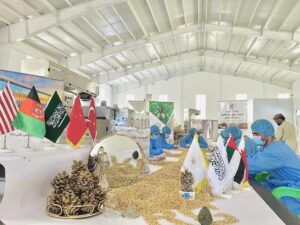
The term “premium” in the pine nut sector lacks universal regulatory definition, yet industry professionals recognize specific objective criteria that separate exceptional batches from bulk commodities.
True premium pine nuts derive primarily from Pinus pinea (the Mediterranean stone pine), Pinus koraiensis (Korean pine), and Pinus edulis (Colorado pinyon). Each species offers distinct organoleptic properties:
Commodity-grade pine nuts often blend Pinus gerardiana (Chilgoza pine from the Himalayas) or Pinus massoniana (Chinese red pine) varieties. While edible, these frequently exhibit higher free fatty acid content, leading to quicker rancidity and occasional “pine mouth” syndrome—a metallic, bitter aftertaste lasting days.
Premium lots undergo rigorous optical sorting and density separation. Grade “AAA” kernels display:
Understanding why premium pine nuts command prices often exceeding $40 per pound requires appreciation of their extraordinary botany and the temporal investment involved.
Unlike annual crops, stone pines require 18 to 36 months from pollination to mature cone development. A single Pinus pinea tree may bear cones of three different age classes simultaneously, complicating mechanized harvesting. Workers must climb 30- to 60-foot trees using traditional ziccardi (spiked leg harnesses) or hydraulic lifts to knock green cones onto canvas tarps—a methodology unchanged since Roman antiquity.
This labor intensity explains why mechanized Chinese harvesting (using cone-shaking machinery applied to plantation-grown Pinus koraiensis) undercuts Mediterranean prices by 40-60%, yet often compromises kernel integrity through rapid thermal drying that fractures cell walls.
Premium pine nut ecosystems face existential climate pressures. The 2022-2023 drought cycles in Spain’s Castile and León region reduced stone pine yields by 70%, triggering price spikes that rippled through global markets. Similarly, Korean pine forests in Primorsky Krai face logging pressure despite sustainability certifications.
Ethical sourcing demands traceability to cooperatives practicing silvopasture—the integration of pine orchards with grazing livestock that reduces fire risk and enhances soil microbiome health. The Dehesa ecosystem of Iberia, where Pinus pinea grows alongside cork oak and Iberian pigs, represents the gold standard of regenerative agroforestry producing simultaneously premium acorn-fed ham and luxury pine nuts.
Beyond gustatory pleasure, premium pine nuts offer a lipid profile and micronutrient density that justify their inclusion in clinical nutrition protocols.
Approximately 90% of pine nut calories derive from lipids, yet the fatty acid distribution favors health outcomes:
A 30-gram serving of premium pine nuts delivers:
Premium varieties retain higher concentrations of lutein and zeaxanthin (carotenoids protective against macular degeneration) compared to aged or heat-damaged commodities. The presence of pinosylvin, a stilbene antioxidant analogous to resveratrol, suggests potential anti-inflammatory applications currently under investigation in metabolic syndrome research.
The flavor architecture of premium pine nuts—nutty, slightly resinous, with a subtle sweetness threshold around 5% sucrose content—makes them extraordinarily versatile across temperature ranges and preparation methods.
Pesto alla Genovese DOP
Authentic Ligurian pesto demands basilico Genovese and pinoli from the Mediterranean stone pine. Inferior nuts introduce waxy textures that emulsify poorly with garlic and Parmigiano-Reggiano. The traditional marble mortar and wooden pestle method actually preserves pine nut cell walls longer than blade processors, preventing premature oil oxidation.
Kibbeh Nayyeh (Levantine Raw Lamb)
Middle Eastern raw meat preparations rely on pine nuts’ textural contrast—premium kernels must remain crunchy even after absorbing meat juices and allspice. This requires kernels with intact cell walls and moisture content below 6%.
Italian Torta della Nonna
This Tuscan custard tart requires toasted pine nuts to maintain structural integrity atop pastry cream during baking at 180°C (356°F). Lower-grade nuts with fractured embryos release excess oil that creates greasy puddles rather than caramelized, toasted surfaces.
Contemporary chefs utilize pine nut “milk” (emulsified raw kernels with water) as a dairy-free cream base for risottos, exploiting the nuts’ high lecithin content for natural emulsification. Similarly, pine nut “ricotta”—created by blending soaked kernels with probiotics and fermenting at 25°C for 12 hours—offers a high-end vegan cheese alternative with superior protein bioavailability compared to cashew bases.
Since 2009, clusters of consumers reported experiencing “pine mouth”—a persistent bitter, metallic taste distorting flavor perception for 2-4 weeks after consumption. Research by the Belgian Poison Control Centre identified Pinus armandii (Chinese white pine) contamination in commodity supply chains as the primary culprit.
Premium suppliers mitigate this through:
When purchasing premium pine nuts, request certificates of analysis (COA) showing peroxide values below 5 meq O2/kg—indicators of oxidative rancidity.
The pine nut industry faces significant ethical challenges including deforestation in Siberian boreal forests and exploitative labor practices in Afghan harvesting regions (where Pinus gerardiana collection often funds regional instability).
Artisanal producers now establish direct relationships with Mongolian Pinus sibirica harvesters, bypassing commodity brokers. This yields kernels processed within 48 hours of cone opening (versus weeks for commodity chains), preserving volatile aromatic compounds like β-phellandrene and limonene that degrade rapidly post-harvest.
For restaurateurs and food manufacturers, securing consistent premium pine nut supplies requires technical specification sheets beyond basic USDA grading.
Establish incoming quality control (IQC) procedures:
Even premium pine nuts degrade rapidly without proper storage:
The global pine nut market, valued at approximately $2.1 billion (2024 estimates), exhibits extreme price volatility due to climatic stochasticity and Chinese market dominance (controlling 60% of processing capacity).
Smart procurement involves forward-contracting with Italian or Spanish cooperatives before the October harvest, securing locked pricing against weather-related shortages.
High prices incentivize adulteration. Common frauds include:
DNA authentication and stable isotope ratio mass spectrometry (IRMS) can verify geographical origin, though these remain cost-prohibitive for small batches.
To truly honor premium pine nuts’ investment cost, preparation techniques must preserve volatile aromatics.
Maillard reactions enhance flavor but degrade heat-sensitive pinolenic acid. Optimal toasting occurs at 150°C (302°F) for 8-10 minutes in a convection oven, turning every 3 minutes. This achieves golden coloration (L* value 65-70 on the Hunter scale) while preserving 85% of original antioxidant capacity.
For pine nut oil extraction without industrial presses:
Pine nut miso (fermented with Aspergillus oryzae for 3 months) develops umami compounds (glutamate levels reaching 1200mg/100g) while reducing antinutritional phytate content by 60%, enhancing mineral bioavailability.
Investing in premium pine nuts transcends mere ingredient procurement—it represents a commitment to agricultural biodiversity, ethical labor practices, and sensory excellence. As climate change increasingly disrupts Mediterranean and East Asian harvests, the distinction between commodity and premium grades will likely widen, making educated sourcing not just a culinary preference but a strategic necessity.
When you next incorporate these ancient kernels into your cooking—whether scattering them across a perfectly roasted delicata squash or emulsifying them into a silken pesto—remember that you’re participating in a 10,000-year-old human tradition of forest stewardship. Choose kernels that honor that legacy: fresh, properly stored, botanically verified, and harvested with dignity.
By prioritizing transparency in your supply chain and proper handling in your kitchen, you ensure that the modest pine nut—technically a seed, gastronomically a treasure—delivers the full measure of its potential.