
Pine nut protein is one of the reasons these small, buttery seeds deserve more attention in healthy cooking. Pine nuts are often known for their rich flavor and premium price, but they also provide a meaningful amount of plant-based protein along with healthy fats, minerals, and antioxidants. While they are not as protein-dense as beans or lentils, pine nuts can still contribute to your daily intake in a simple and delicious way. Because they are easy to sprinkle over salads, blend into pesto, or add to grain bowls, they are a convenient ingredient for anyone looking to improve the nutritional quality of meals without much effort.
In this guide, we’ll explore how much protein pine nuts contain, how they compare with other nuts and seeds, what health benefits they may offer, and how to use them wisely in a balanced diet.
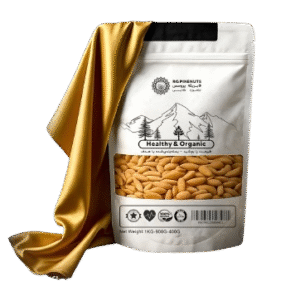
Pine nuts are the edible seeds of certain pine trees. Although they are commonly called nuts, they are technically seeds that grow inside pine cones. Once the cones mature, they are harvested, dried, and opened so the seeds can be removed. The shells are then cracked or removed, leaving the kernels we eat.
Pine nuts are known for:
Because they are rich in natural oils, pine nuts are delicate and can go rancid if they are not stored properly. This makes freshness important for both taste and nutrition.
A standard serving of pine nuts, about 1 ounce or 28 grams, contains roughly:
So while pine nut protein is not extremely high compared with legumes or some seeds, it is still a useful part of the overall nutrition profile. Pine nuts are better thought of as a nutrient-dense ingredient that contributes moderate protein along with healthy fats and micronutrients.
Protein is important for many normal body functions. It helps build and repair tissues, supports enzymes and hormones, and contributes to satiety after meals. Pine nut protein may not be the main source of protein in your diet, but it can still help in a few valuable ways.
Pine nut protein matters because pine nuts:
This makes pine nuts a smart ingredient for people who want to make their meals more balanced without relying only on meat or processed protein products.
Pine nuts are often compared with almonds, walnuts, sunflower seeds, pumpkin seeds, and cashews. Each has a different protein profile.
As you can see, pine nut protein is moderate rather than high. But pine nuts stand out for their buttery flavor and soft texture, which makes them a valuable ingredient even if they are not the most protein-rich option on the shelf.
Pine nuts are a good supplemental source of protein, but they are not usually considered a primary protein food. If your goal is to maximize protein intake, pine nuts should probably be combined with other protein-rich ingredients.
For example, you can pair pine nuts with:
This approach gives you the flavor and texture benefits of pine nuts while also boosting the total protein content of the meal.
Pine nut protein is only part of the story. Pine nuts also offer healthy fats, vitamins, minerals, and antioxidants. Together, these nutrients may support several aspects of a healthy diet.
Protein contributes to the maintenance of body tissues, including muscles.
The combination of protein and fat may help you feel full after eating.
Pine nuts can make salads, vegetables, and grain bowls more filling and enjoyable.
For vegetarians and vegans, pine nuts are one more way to add plant protein and healthy fats to meals.
Pine nuts also contain magnesium, zinc, iron, phosphorus, manganese, and vitamin E.
So even though pine nut protein is moderate, the overall nutrient package can still be very useful.
Pine nuts work best when they are used as part of a bigger meal strategy. Because they are calorie-dense, a little goes a long way. A tablespoon or two can be enough to enhance both protein content and flavor.
Examples of balanced meals with pine nuts:
In each case, pine nut protein contributes something useful without having to be the only protein source.
If you want to get more value from pine nut protein, use pine nuts in ways that complement other high-protein ingredients.
Salads often need more staying power. Pine nuts can help make them feel more complete.
Pair with quinoa, beans, tofu, chicken, or fish for a stronger protein profile.
Pesto made with pine nuts can be paired with high-protein pasta or served with chicken or tofu.
Sprinkling pine nuts on roasted vegetables or soups can improve texture and add a protein boost.
Combine pine nuts with almonds, pumpkin seeds, and dried fruit for a balanced snack mix.
Pine nuts can fit into a weight-conscious diet, but portion control matters. Because they are calorie-dense, it’s easy to eat more energy than expected. At the same time, their fat and protein may help with satisfaction.
That means pine nut protein may help in weight management by:
The key is moderation. A measured serving is usually best rather than eating them directly from the container.
Yes, pine nuts can be a healthy addition to a balanced diet. Along with pine nut protein, they contain mostly unsaturated fats, which are commonly associated with heart-conscious eating patterns.
They also provide:
These nutrients make pine nuts more than just a garnish. They are a flavorful, nutrient-dense food that can support overall diet quality when used wisely.
If your goal is to raise the protein content of meals, use pine nuts as a supporting ingredient rather than the main one.
Add them to omelets, frittatas, or breakfast bowls.
Use them in bean salads, rice bowls, or Mediterranean dishes.
Pair them with chicken, turkey, fish, or shrimp.
Tofu, tempeh, and edamame all pair well with pine nuts.
Try them with yogurt, cottage cheese, or ricotta dishes.
This way, pine nut protein contributes to the total while other ingredients supply the bulk of the protein.
Pine nuts can be especially useful for vegetarian and vegan eaters because they add both protein and healthy fats. While they won’t replace beans, tofu, lentils, or soy foods, they help round out plant-based meals.
They are especially good in:
For people eating mostly plants, pine nuts are a small but useful ingredient to keep in the pantry.
Because pine nuts contain natural oils, they can spoil relatively quickly if not stored well. Freshness affects both flavor and quality.
Fresh pine nuts should smell mild and pleasant. If they smell bitter or stale, the oils may have gone rancid.
Fresh pine nuts should:
If they taste bitter, sour, or unpleasantly sharp, they may no longer be good.
A 1-ounce serving contains about 3 to 4 grams of protein.
They provide moderate protein, but they are best used alongside other protein-rich foods.
They can contribute to your protein intake, but they should not be your main protein source if muscle building is your goal.
Yes, they are a useful plant-based food that adds protein, fat, and flavor.
Yes, they are calorie-dense, so portion size matters.
Pine nut protein may not be the highest among nuts and seeds, but pine nuts still offer meaningful nutritional value. They provide moderate protein, healthy fats, and important minerals in a small, flavorful package. That makes them a useful ingredient for salads, sauces, grain bowls, and other balanced meals.
If you want a food that improves taste and adds a bit of plant-based protein without much effort, pine nuts are an excellent choice. They are especially valuable when combined with other protein-rich foods, helping you build meals that are more satisfying and nutritious.