
Chilgoza from Afghanistan is one of the most respected pine nut products in the world, prized for its rich buttery flavor, delicate texture, and premium natural origin. Harvested from mountain forests and traditionally collected by hand, these pine nuts are more than a luxury snack ingredient—they are a valuable forest product that supports rural livelihoods, local trade, and international export. In food markets, Afghan chilgoza stands out because buyers often associate it with authenticity, natural harvesting, and high-quality kernels. For chefs, wholesalers, importers, and consumers alike, understanding chilgoza from Afghanistan means understanding not just a nut, but a story of geography, tradition, labor, and value.
If you’ve ever wondered what makes Afghan chilgoza different from other pine nuts, where it comes from, how it is harvested, or why it is often expensive, this guide explains everything in one place. From the forests where it grows to the kitchens where it is used, chilgoza from Afghanistan offers a remarkable combination of taste, nutrition, and market appeal.
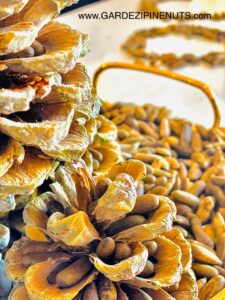
Chilgoza is the edible seed of the chilgoza pine tree, scientifically known as Pinus gerardiana. Although people often call them nuts, they are technically seeds that grow inside pine cones. Once the cones mature, they are collected, dried, and opened so the seeds can be removed and shelled.
Chilgoza is especially valued because it is:
Compared with many other nuts and seeds, chilgoza has a more refined and delicate flavor. That makes it highly desirable in gourmet cooking and specialty food markets.
There are several reasons why chilgoza from Afghanistan has a strong reputation.
Much of the product comes from mountain forests rather than large-scale commercial plantations.
Afghan chilgoza is known for its buttery, slightly sweet flavor.
Because it is relatively rare and difficult to harvest, it is often considered a luxury ingredient.
The product is often gathered by local families using methods passed down through generations.
Afghan chilgoza is recognized in both regional and international markets.
This combination of quality and story gives chilgoza from Afghanistan a place of importance in the global dry fruit and nut trade.
Chilgoza pine trees grow in mountainous, dry, and rocky forest regions of Afghanistan. These trees prefer high-altitude environments and are commonly found in eastern and southeastern parts of the country.
Important provinces include:
The natural terrain in these areas is challenging, but it provides the ideal environment for chilgoza pine trees. The forests are often remote, which makes harvesting labor-intensive and transport difficult. At the same time, this natural setting contributes to the product’s reputation for authenticity and premium quality.
Harvesting chilgoza from Afghanistan is not easy. It is a seasonal and labor-intensive process that requires skill, patience, and physical effort.
Because the trees grow in mountainous terrain, harvesters often work in difficult conditions. In many communities, families participate together during the season, making it an important social and economic event as well as an agricultural one.
Chilgoza is not only valued for taste. It also offers a meaningful nutritional profile.
It typically contains:
Because it is rich in oils, chilgoza is calorie-dense, but those calories come with nutrients that can support a balanced diet. In moderate portions, it can be a useful ingredient for people who want healthy fats and a satisfying snack.
Like many nuts and seeds, chilgoza should be eaten in moderation, but it can absolutely be part of a nutritious eating pattern.
One of the biggest reasons people love chilgoza from Afghanistan is its flavor. It is rich, buttery, and mildly sweet, with a soft texture that feels creamy on the tongue.
Compared with other nuts, chilgoza is:
That unique taste is why it appears in both savory and sweet recipes, and why many buyers are willing to pay more for it than for ordinary snack nuts.
Chilgoza from Afghanistan is highly versatile in the kitchen. It can be used in simple everyday dishes or premium gourmet recipes.
Its rich flavor pairs especially well with herbs, olive oil, cheese, citrus, grains, and fruit. In many cuisines, chilgoza is reserved for special dishes or celebratory meals because of its high value.
There are many easy ways to enjoy chilgoza.
You can eat it directly as a snack or use it in recipes without cooking.
Lightly toasting brings out a deeper aroma and a richer flavor. Be careful, though—it can burn quickly.
It works beautifully in basil pesto and other herb-based sauces.
A handful can add richness and texture to leafy greens and vegetable salads.
It pairs well with olive oil, garlic, lemon, tomatoes, and Parmesan.
It adds luxury and texture to rice pilaf, couscous, quinoa, and farro.
It can be used in pastries, festive dishes, and sweet rice recipes.
Because it is rich and flavorful, you usually only need a small amount to make a dish feel more special.
Chilgoza is often expensive, and Afghan chilgoza is no exception. Several factors contribute to the price.
The forests are remote, and the collection process is difficult.
Pine trees produce a limited amount of harvestable seed.
It takes time for the trees to mature and produce cones.
Shelling, sorting, and packing require care and labor.
Moving the product from mountain forests to market is not easy.
Buyers in domestic and export markets value the product highly.
Because of these factors, chilgoza from Afghanistan is usually positioned as a premium product rather than a commodity.
Chilgoza from Afghanistan has strong export potential. Buyers often look for it because of its premium flavor, natural origin, and cultural story. In markets where consumers value clean-label, natural, and specialty ingredients, Afghan chilgoza can be a strong fit.
It is often attractive to:
A strong export strategy depends on product quality, packaging, documentation, and reliable logistics. If these are handled well, Afghan chilgoza can compete effectively in premium market segments.
The future of chilgoza from Afghanistan depends on healthy forest ecosystems. Since the product comes from natural pine forests, sustainability is important.
Good forest management helps:
If forests are damaged by fire, cutting, or poor management, the chilgoza supply can decline. Sustainable harvesting practices and forest conservation are therefore essential for the long-term success of the sector.
For many families living near pine forests, chilgoza harvesting is a major source of seasonal income. That means the product is not only a food item—it is a livelihood resource.
Economic benefits can include:
When the market works well, chilgoza from Afghanistan can create value across the supply chain, from forest communities to international buyers.
If you are buying chilgoza from Afghanistan, here are some things to look for:
The nuts should smell pleasant and buttery, not bitter or stale.
Look for clean, pale kernels with minimal breakage.
Good packaging helps protect the nuts from moisture and air.
Reliable sellers should tell you where the product came from.
High-quality chilgoza should be sorted consistently.
Buy from a trusted supplier or exporter with strong reviews or trade references.
Because chilgoza is a premium product, quality is worth paying attention to.
Chilgoza contains natural oils, which means it can spoil if stored poorly.
Fresh chilgoza should taste smooth and buttery. If it smells rancid or tastes bitter, it may no longer be good.
While chilgoza from Afghanistan is closely tied to its local origins, it also fits well into global cuisine. Its mild and buttery character means it can be used in many styles of cooking.
It appears in:
Its versatility is one reason it remains in demand outside Afghanistan.
It is the edible seed of the chilgoza pine tree, harvested from mountain forests in Afghanistan.
It is prized for its premium quality, rich flavor, and natural forest origin.
Yes, it contains healthy fats, protein, minerals, and antioxidants when eaten in moderation.
It is labor-intensive to harvest, limited in supply, and costly to process and transport.
You can eat it raw, toasted, or use it in salads, pesto, rice dishes, pasta, and desserts.
Chilgoza from Afghanistan is much more than a pine nut. It is a premium natural food with a rich flavor, strong nutritional value, and deep economic importance for the communities that harvest it. From the mountain forests where it grows to the export markets where it is sold, chilgoza carries a story of tradition, effort, and value.
For buyers, it offers a distinctive taste and a premium ingredient for cooking and snacking. For exporters and traders, it represents an opportunity in high-value specialty food markets. And for rural families, it remains an important source of income and livelihood.
If you want a product that combines flavor, quality, and origin story, chilgoza from Afghanistan is one of the most remarkable choices in the world of dry fruits and nuts.