
Processed pine nuts are a convenient, ready-to-use ingredient for cooks, retailers, wholesalers, and food brands that want the rich, buttery flavor of pine nuts without the extra prep work. Carefully cleaned, shelled, sorted, and packed, processed pine nuts save time in the kitchen while still delivering the delicate texture and premium taste that make pine nuts so popular in everything from pesto and salads to baking and gourmet snacks. If you’ve ever wondered what makes processed pine nuts different from raw or unprocessed pine nuts, how they are handled, or why they are so valuable in the market, this guide covers everything you need to know.
Because pine nuts are naturally rich in oils and sensitive to heat, air, and moisture, processing plays a big role in preserving their quality. The right processing methods help improve shelf life, consistency, appearance, and convenience. That is why processed pine nuts are widely used in both home kitchens and commercial food production. In this article, we’ll look at what processed pine nuts are, how they are made, why buyers choose them, and how to store and use them properly for the best results.
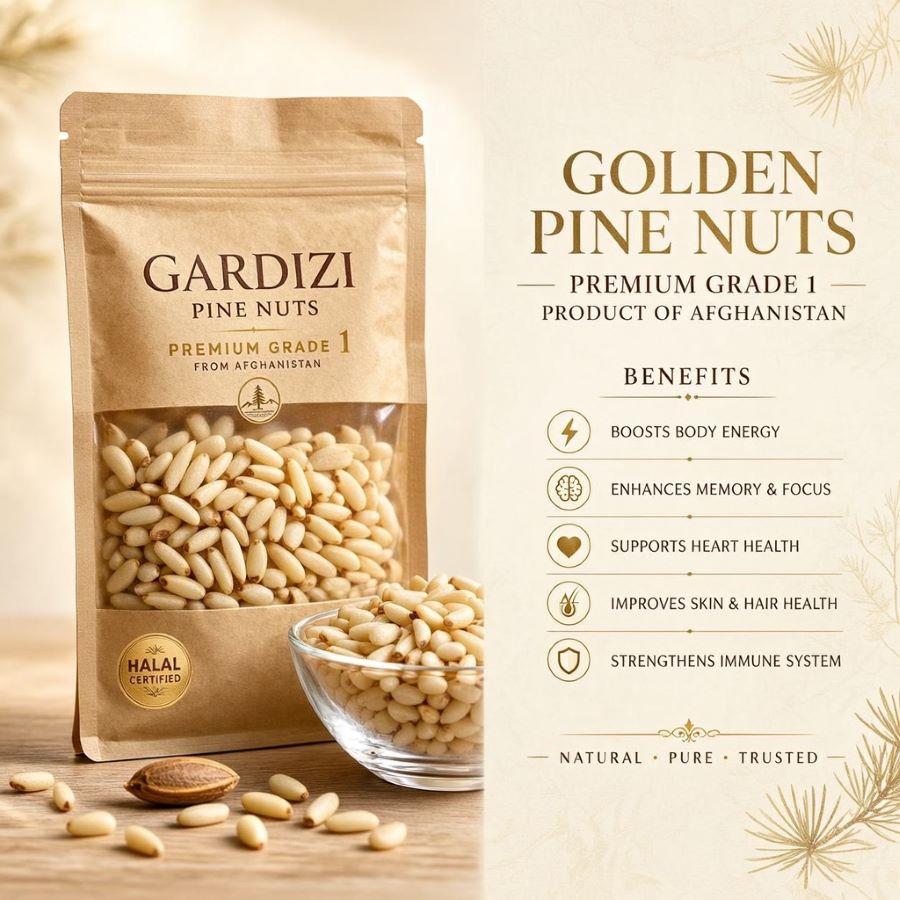
Processed pine nuts are pine nuts that have gone through one or more post-harvest steps to make them ready for consumption or packaging. These steps usually include drying, shelling, cleaning, sorting, grading, and packing. Depending on the supplier, the nuts may also be roasted, vacuum sealed, or packaged for wholesale and retail use.
Unlike freshly harvested pine cones, processed pine nuts are prepared in a form that is easy to use directly in food. They are the edible kernels of pine seeds, and processing helps remove impurities, broken pieces, shells, and moisture that could affect quality.
In practical terms, processed pine nuts are the version most people buy when they want:
The term can apply to small retail bags as well as large bulk and wholesale shipments, depending on the market.
Processing is essential because pine nuts are delicate. They contain natural oils that can spoil if handled badly, and they are often harvested from remote forests or mountainous regions where quality control is more difficult.
Good processing helps:
Without proper processing, pine nuts can be mixed with debris, broken kernels, or damaged nuts. That is why processed pine nuts are often preferred by businesses and serious home cooks.
The exact method can vary depending on the supplier and the species of pine nut, but the general process is similar.
Pine cones are collected once they mature. In many regions, this is still a labor-intensive process done by hand in forested or mountainous areas.
The cones are dried so they open naturally and release the seeds.
The hard outer shell is removed to reveal the edible kernel.
The kernels are cleaned to remove dirt, shells, dust, and other impurities.
The pine nuts are separated by size, color, quality, and level of breakage.
The processed pine nuts are packed for retail, wholesale, or export.
They are stored under conditions that protect them from heat, moisture, and oxidation.
Each step matters because even small errors can reduce quality and flavor.
Processed pine nuts may be sold in several different forms depending on how they are intended to be used.
These are shelled, cleaned, and sorted but not roasted. They are versatile and can be used in nearly any recipe.
These have been lightly toasted to bring out more flavor and aroma. They are ready to use as a topping or snack.
These are larger quantities packed for wholesale buyers, food manufacturers, and restaurants.
These are sold in smaller packages for grocery stores, online shops, and specialty food outlets.
These are sourced and processed under organic standards, often for clean-label or premium markets.
These are selected for whole kernels, better size consistency, and superior appearance.
Different types serve different customer needs, but they all fall under the broader category of processed pine nuts.
Processed pine nuts retain the nutritional qualities that make pine nuts a respected ingredient in healthy cooking. They are rich in calories, but those calories come with useful nutrients.
A typical serving may contain:
Because processing usually focuses on cleaning and shelling rather than removing nutrients, the kernel still offers the same strong nutritional profile. When eaten in moderation, processed pine nuts can be a nutrient-dense addition to meals.
Processed pine nuts offer several nutritional and practical benefits.
Their fat profile is mostly unsaturated, which fits into many balanced diets.
Their fat and protein content can help make meals more filling and enjoyable.
They contain useful minerals such as magnesium and zinc.
Processed pine nuts work well in Mediterranean, vegetarian, vegan, and gluten-free meals.
Even a small amount adds richness and flavor to simple dishes.
The key is moderation, since pine nuts are calorie-dense and easy to overuse if you are not measuring portions.
One reason processed pine nuts are so popular is that they are incredibly versatile. Their mild, buttery flavor works well in many types of food.
Processed pine nuts are a classic ingredient in basil pesto. They blend smoothly and give the sauce richness.
They add a soft crunch to leafy greens, grain salads, and roasted vegetable salads.
They work beautifully with olive oil, garlic, herbs, lemon, and tomato-based sauces.
They can add texture and a premium touch to rice, quinoa, couscous, and farro bowls.
They pair nicely with carrots, squash, Brussels sprouts, and green beans.
They can be used in breads, pastries, cookies, and savory baked goods.
They can be eaten on their own or mixed into snack blends with dried fruit and other nuts.
Because processed pine nuts are already ready to use, they are ideal for both quick home cooking and commercial food prep.
There are many reasons people prefer processed pine nuts over unprocessed or shelled-at-home alternatives.
They are ready to use right away.
No shelling or sorting is needed by the buyer.
Processing removes debris and broken pieces.
Grading makes the product more uniform.
Restaurants, bakeries, and food manufacturers need predictable ingredients.
Processed and packed product is simpler to manage.
For both home users and businesses, processed pine nuts are a practical, premium ingredient.
If you are buying processed pine nuts, quality should be one of your first concerns.
Since processed pine nuts are a premium food, quality differences can be noticeable even in small samples.
Processed pine nuts need careful storage because of their high oil content. If stored incorrectly, they can go rancid and lose their delicate flavor.
Proper storage is essential whether you are buying a small bag for home use or a bulk shipment for business.
Processed pine nuts are a strong product in wholesale and export markets because they are easy to package, transport, and sell. Buyers in these markets often care about consistency, documentation, and shelf life.
A supplier that understands processing and export logistics can make the buying experience much smoother.
Food brands and manufacturers often use processed pine nuts in product development because they are easy to work into recipes and product lines.
They may be used in:
Because they are already cleaned and sorted, processed pine nuts help reduce prep time and improve standardization in production.
Processed pine nuts often come from natural forest systems, which means sourcing practices matter. Responsible harvesting and processing can help support long-term supply and protect forest resources.
For buyers who care about sustainability, it can be helpful to ask where the product comes from and how it was handled before processing.
They are pine nuts that have been shelled, cleaned, sorted, and packed for use.
Yes, they retain the healthy fats, protein, and minerals that pine nuts are known for.
Yes, most processed pine nuts are ready to eat.
They are labor-intensive to harvest and delicate to process, store, and ship.
Keep them sealed, cool, and dry. Refrigeration or freezing is best for longer freshness.
Processed pine nuts are a practical and premium ingredient that combine convenience, quality, and great flavor. They are ready to use, easy to store, and versatile enough for everything from pesto and salads to baking and gourmet food production. Because pine nuts are naturally rich in oils and sensitive to poor handling, proper processing is what makes them so valuable.
Whether you are a home cook, retailer, wholesaler, or food manufacturer, processed pine nuts can save time and improve the final quality of your recipes or products. With the right sourcing, packaging, and storage, they can offer excellent flavor and dependable performance in the kitchen.