
How to store pine nuts is an important question because these small, buttery seeds can go bad faster than many other pantry staples. Pine nuts contain natural oils, which give them their rich flavor and smooth texture, but also make them more sensitive to heat, air, and moisture. If you have ever bought a bag of pine nuts for pesto, salads, baking, or snacking and wondered how to keep them fresh, you’re not alone. Learning how to store pine nuts properly can protect their taste, texture, and nutritional value for weeks or even months longer.
Pine nuts are a premium ingredient, so it makes sense to store them carefully. Whether you keep them raw, toasted, opened, unopened, refrigerated, or frozen, the right storage method can help prevent rancidity and waste. In this article, we’ll explain exactly how to store pine nuts, how to tell if they’ve gone bad, and what storage method works best in different situations.
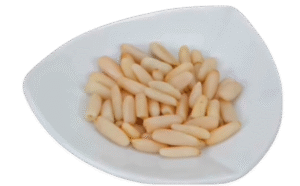
Pine nuts are rich in healthy fats, especially unsaturated fats. That is one of the reasons they taste so good and feel so creamy in recipes. But those same oils can oxidize when exposed to air, heat, and light. Oxidation is what causes nuts to smell stale or taste bitter and unpleasant.
Compared with some other nuts, pine nuts are more delicate because:
That’s why understanding how to store pine nuts properly matters so much. Good storage keeps them tasting fresh and helps you get the best value from your purchase.
Shelf life depends on whether the pine nuts are raw or toasted, opened or unopened, and how they are stored.
If unopened and stored well, pine nuts may last several months in a cool, dry pantry. However, refrigeration or freezing can extend their freshness even more.
Once opened, they are more exposed to air and humidity. Opened pine nuts usually last longer if stored in the refrigerator or freezer.
Toasted pine nuts may have a slightly shorter shelf life than raw ones because heat can accelerate quality loss if they are not stored correctly.
In general, the colder the storage, the longer pine nuts tend to stay fresh.
There are several good ways to store pine nuts depending on how soon you plan to use them.
If you expect to use the pine nuts quickly, you can store them in a pantry or cupboard.
This method works best for unopened bags or small amounts that will be used soon. But if your kitchen is warm or humid, another method may be better.
Refrigeration is one of the best ways to keep opened pine nuts fresh. The cool temperature slows down rancidity and helps preserve flavor.
The refrigerator is especially useful if you use pine nuts occasionally but not every day.
Freezing is the best option if you buy pine nuts in bulk or want to store them for a long time.
Freezing helps protect the natural oils and can significantly extend shelf life. Pine nuts do not usually need special thawing; they can often be used straight from the freezer in recipes.
Choosing the right container is part of learning how to store pine nuts well.
Airtight containers are important because exposure to air speeds up rancidity. If you want the best freshness, keep pine nuts sealed tightly at all times.
This depends on how quickly you will use them.
If you are unsure, freezing is usually the safest choice for preserving flavor. Many people freeze nuts for long periods with excellent results.
Opened pine nuts need more attention than unopened ones because they are already exposed to air and humidity.
Once opened, pine nuts should be treated like a delicate ingredient. The faster you protect them from warmth and air, the longer they will stay fresh.
Raw and toasted pine nuts can both be stored well, but there are a few differences.
Raw pine nuts generally last longer because they have not been exposed to heat during preparation. They are ideal for freezing or refrigerating.
Toasted pine nuts are more aromatic and flavorful, but they may lose freshness more quickly if exposed to air. Store them in an airtight container and keep them cool.
If possible, toast only what you need. That way, you can preserve the rest in raw form and maintain better freshness over time.
Even with good storage, pine nuts can eventually go bad. It’s important to know the warning signs.
Fresh pine nuts should taste mild, buttery, and pleasant. If they smell off, they are probably no longer good.
Because pine nuts contain natural oils, rancidity is the most common problem. If you notice a sharp or unpleasant flavor, it’s best to discard them.
When buying or checking stored pine nuts, fresh ones should usually:
If they taste bitter, old, or overly sharp, freshness may have declined. Good pine nuts should taste delicate, not heavy or sour.
A lot of storage success starts at the store or with the supplier. If you buy pine nuts that are already old or poorly packaged, even the best storage methods won’t fully help.
If possible, buy from sources with a good turnover so the product is less likely to sit on a shelf too long.
For bulk buyers, ask about:
If you buy large amounts of pine nuts, storage becomes even more important. Bulk storage should always focus on limiting air, moisture, and heat.
Bulk pine nuts are convenient, but only if they are stored properly. Otherwise, the larger quantity can become waste if it turns rancid before you use it.
Yes, but only for short periods and only if conditions are cool and dry. Room temperature storage is less ideal than refrigeration or freezing.
If you want the safest option, use the refrigerator or freezer.
Here are some simple habits that can help preserve freshness:
These small steps make a big difference in protecting flavor and quality.
Exposure to air speeds up spoilage.
Heat can damage their delicate oils.
Opened pine nuts last longer when cold.
If you won’t use them quickly, they may lose freshness.
If they smell bad, they should not be eaten.
Avoiding these mistakes will help you enjoy pine nuts at their best.
Properly stored pine nuts can be used in many ways:
If they have been frozen, you can often use them straight from the freezer or let them sit for a few minutes before adding them to a recipe.
The best way is in an airtight container in the refrigerator or freezer.
Yes, but only for short-term use and in a cool, dry place.
Yes. Because they contain natural oils, they can become rancid over time.
Freezing is one of the best ways to extend freshness.
They often smell bitter, sour, or stale and may taste unpleasant.
If you’ve been wondering how to store pine nuts, the answer is simple: keep them cool, dry, sealed, and protected from air and light. For short-term use, the pantry may be enough. For better freshness, the refrigerator is a strong choice. For the longest shelf life, the freezer is usually best.
Because pine nuts are delicate and high in natural oils, good storage makes a real difference. It helps preserve their buttery flavor, protects their texture, and prevents waste. Whether you buy them in small bags or bulk quantities, proper storage ensures you can enjoy them in pesto, salads, baking, and other recipes without losing quality.