
Pine nuts nutrition facts are worth knowing if you want to understand why these tiny seeds are considered such a premium ingredient. Pine nuts may look small, but they are packed with healthy fats, plant-based protein, vitamins, minerals, and antioxidants. They also have a rich, buttery flavor that makes them a favorite in pesto, salads, pasta, grain bowls, and baked recipes. If you’ve ever wondered whether pine nuts are actually healthy, how many calories they contain, or what nutrients they provide, this guide breaks everything down in simple terms.
Because pine nuts are calorie-dense and naturally oily, they are often used in small amounts. That makes them an ideal ingredient for adding flavor and nutrition without overwhelming a dish. In this article, we’ll explore pine nuts nutrition facts in detail, explain what makes them valuable, and show you how to include them in your diet wisely.
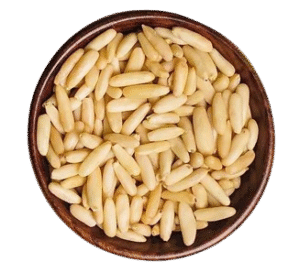
A typical 1-ounce serving of pine nuts, which is about 28 grams or a small handful, contains approximately:
Pine nuts also provide key micronutrients such as:
Most of the fat in pine nuts comes from unsaturated fats, especially monounsaturated fats. These are generally considered heart-friendly fats when eaten as part of a balanced diet.
One of the first things people notice about pine nuts nutrition facts is the calorie count. Pine nuts are calorie-dense because they contain a lot of natural oil. That does not make them unhealthy, but it does mean portion size matters.
A small serving can add up quickly:
This means pine nuts are best used as a flavor enhancer or topping rather than as the main bulk food in a meal. A little goes a long way.
Pine nuts are rich in fat, but most of that fat is unsaturated. This is one reason they are often included in healthy eating patterns such as the Mediterranean diet.
The fat in pine nuts helps:
Because pine nuts are high in oil, they can go rancid if not stored properly. That’s why freshness and storage matter so much.
Pine nuts contain a moderate amount of protein. While they are not as protein-rich as beans, lentils, or soy foods, they still contribute to daily intake, especially for people who eat more plant-based meals.
Protein is important for:
The protein in pine nuts adds to their value as a nutrient-dense snack or ingredient.
Pine nuts are relatively low in carbohydrates. That makes them useful for people who want to add healthy fats and some protein without a lot of carbs.
A typical serving contains:
The fiber content is not very high, but it helps support digestion and contributes a bit to fullness.
A big part of pine nuts nutrition facts is the mineral content. Pine nuts contain several important vitamins and minerals that support normal body function.
Magnesium is involved in energy production, muscle function, and nerve signaling.
Zinc supports immune health, wound healing, and cell growth.
Iron is essential for oxygen transport in the blood.
Phosphorus supports bones, teeth, and energy metabolism.
Manganese contributes to metabolism and antioxidant defenses.
Vitamin E is an antioxidant that helps protect cells from oxidative stress.
These nutrients make pine nuts more than just a tasty garnish. They offer real nutritional value in a small portion.
Yes, pine nuts can be healthy when eaten in moderation. Their pine nuts nutrition facts show that they are rich in unsaturated fats, contain useful minerals, and provide a bit of protein and fiber.
They may fit well into a balanced diet because they can:
Like many nutrient-rich foods, the key is moderation. Pine nuts are calorie-dense, so using them thoughtfully is the best approach.
While pine nuts are not a miracle food, their nutrition profile suggests several possible benefits as part of a balanced diet.
Their unsaturated fats are commonly associated with heart-conscious diets.
The combination of fat, protein, and some fiber can help you feel full.
Vitamin E helps protect cells from oxidative stress.
Their calorie density makes them a concentrated source of energy.
Adding pine nuts to meals can make healthy food taste better and feel more satisfying.
Pine nuts are often compared to almonds, walnuts, cashews, and sunflower seeds. Each has its own strengths, but pine nuts stand out because of their soft texture and buttery flavor.
Pine nuts are softer and more delicate, while almonds are crunchier and higher in fiber.
Walnuts are more earthy and slightly higher in omega-3 fats, while pine nuts are milder and creamier.
Cashews are sweeter and lower in fat, while pine nuts are richer and more oily.
Sunflower seeds are more earthy and generally cheaper, while pine nuts are more gourmet in flavor.
Pine nuts are often used in smaller amounts because of their richness, so even a small serving can make a big difference in a dish.
If you want to enjoy pine nuts nutrition facts in real life, there are many easy ways to use them.
You can eat pine nuts raw as a snack or topping.
Lightly toasting them brings out a deeper, more aromatic flavor. Be careful—they burn quickly.
This is one of the most famous uses for pine nuts. They create a creamy base for basil pesto and similar sauces.
Pine nuts add crunch and richness to leafy greens, grain salads, and roasted vegetable salads.
They pair well with pasta dishes, especially those with olive oil, garlic, lemon, herbs, or tomato sauce.
Try them with quinoa, rice, farro, couscous, or barley.
Pine nuts can be used in breads, cookies, pastries, and savory baked dishes.
Add them to yogurt, oatmeal, or breakfast grain bowls for extra flavor and nutrients.
Because pine nuts are calorie-dense, it’s best to keep portions moderate. A small serving is usually enough.
A reasonable serving might be:
This amount gives you the flavor and nutritional benefits without too many calories. If you’re using pine nuts in a recipe, a little often goes a long way.
Since pine nuts are high in natural oils, they can spoil faster than some other nuts and seeds if stored incorrectly.
Fresh pine nuts should smell mild, nutty, and pleasant. If they smell off, it’s better not to use them.
For most people, yes, pine nuts are safe when eaten in moderation. However, there are a few things to keep in mind.
Because they are rich in fat, large amounts can add a lot of calories quickly.
If stored badly, pine nuts can develop an unpleasant taste or smell.
A rare condition called “pine mouth” has been reported by some people, causing a temporary bitter or metallic taste after eating certain pine nuts.
Pine nuts can fit into many eating styles, including:
They are especially useful in plant-based meals because they add flavor, healthy fats, and some protein.
Pine nuts pair especially well with ingredients that complement their mild, buttery flavor.
These combinations help bring out the best in pine nuts and make dishes feel more complete.
Pine nuts nutrition facts include about 190–200 calories per ounce, along with healthy fats, protein, minerals, and vitamin E.
Yes, in moderation. They provide healthy fats, useful minerals, and a rich flavor that makes meals more satisfying.
Yes, pine nuts are calorie-dense because they contain a lot of natural oil.
Many people can enjoy them regularly in small portions as part of a balanced diet.
They can be, if used in moderate amounts. They may help meals feel more satisfying, but portion size is important.
Pine nuts nutrition facts show that these tiny seeds pack a lot into a small serving. They are rich in healthy fats, provide moderate protein, offer important minerals, and bring a buttery, premium flavor to countless dishes. While they are calorie-dense, they can absolutely be part of a healthy eating pattern when used in moderation.
Whether you enjoy them in pesto, on salads, in pasta, or as a snack, pine nuts are a versatile and nutrient-rich ingredient worth keeping in your kitchen. If you want a food that combines taste, texture, and nutrition in one elegant package, pine nuts are an excellent choice.