
The pine nut tree is a remarkable conifer valued not only for its beauty and resilience, but also for the edible seeds it produces inside its cones. These seeds, known as pine nuts, are prized around the world for their buttery flavor, rich texture, and culinary versatility. A pine nut tree can live for many years, thrive in challenging mountain environments, and support local economies through its harvest. For people interested in forestry, healthy foods, or sustainable crops, understanding the pine nut tree is a useful place to start. From its natural habitat and slow growth to harvesting methods and nutritional value, this tree has a story that connects ecology, tradition, and trade in a powerful way.
In this guide, we’ll explore what the pine nut tree is, where it grows, how it produces pine nuts, why it matters economically, and how it is used in food and conservation. Whether you’re a student, grower, buyer, or simply curious, this article will give you a clear and practical overview.
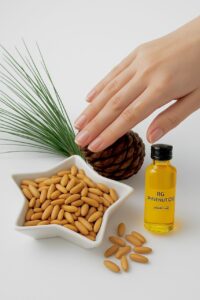
A pine nut tree is a pine species that produces edible seeds, commonly called pine nuts. These trees belong to the genus Pinus, which includes many different species around the world. Not all pine trees produce seeds that are harvested for food, but certain species are especially known for their pine nuts.
One of the most famous species is the chilgoza pine (Pinus gerardiana), which grows in mountainous regions of South and Central Asia. Other pine species also produce edible seeds, but chilgoza is especially valued for its large, tasty kernels and strong market demand.
The pine nut tree is usually a slow-growing, long-lived tree adapted to dry, rocky, or high-altitude environments. Its cones contain the seeds that are later removed, cleaned, and sold as pine nuts.
Pine nut trees are typically found in mountain forests, rocky hillsides, and dry temperate climates. They often grow in regions where other crops struggle, which makes them especially important for local ecosystems and communities.
Common growing regions include:
The pine nut tree prefers well-drained soil and plenty of sunlight. Some species can handle harsh winters, dry summers, and poor soil conditions. Because of this adaptability, pine nut trees are often found in remote landscapes that are difficult to farm with conventional crops.
The pine nut tree matters for several reasons:
Pine nuts are considered a premium ingredient in many global cuisines.
In many regions, communities depend on pine nut harvesting for income.
These trees can prevent soil erosion and support biodiversity.
Since the trees live for many years, they can provide recurring harvests over time.
In some places, pine nuts are part of traditional cooking, trade, and heritage.
This combination of ecological and economic value makes the pine nut tree an important natural resource.
The pine nut tree grows slowly compared with many other food crops. It can take several years before it starts producing meaningful quantities of cones. Once mature, it may continue producing for decades.
Because growth is slow, the pine nut tree is a long-term investment. Farmers and foresters who plant it need patience, but the returns can be valuable if conditions remain favorable.
The appearance of a pine nut tree depends on the species, but most share common pine characteristics.
They usually have:
Some species grow tall and straight, while others are more compact and rugged. In mountain areas, the tree may look shaped by wind, snow, and rocky terrain.
The cones are especially important because they contain the seeds that become pine nuts. These cones often take time to mature before they can be harvested.
Harvesting pine nuts from the pine nut tree is a labor-intensive process. The exact method depends on the species and region, but the basic steps are similar.
Mature cones are collected from the tree or from the ground.
The cones are dried so they open naturally.
The seeds are extracted from the cone.
The hard shell around the seed is removed.
The kernels are cleaned and graded by quality.
The finished pine nuts are packed for local sale or export.
Because the process is manual and often done in remote areas, harvesting adds significant value to the pine nut tree crop. It also means careful handling is essential to avoid damage or waste.
The seeds produced by the pine nut tree are not just delicious; they are also nutrient-dense.
Pine nuts typically contain:
These nutrients contribute to the popularity of pine nuts as a healthy ingredient. They are calorie-dense, but those calories come with beneficial fats and micronutrients. In moderate amounts, they can be part of a balanced diet.
One reason the pine nut tree is so valuable is that its seeds are used in many different foods.
The mild, buttery flavor of pine nuts allows them to blend well with herbs, cheeses, olive oil, vegetables, and grains. This makes them one of the most versatile nuts and seeds in the kitchen.
The pine nut tree plays an important role in sustainable forestry because it supports both food production and ecosystem health.
In many mountain regions, these trees grow naturally in fragile ecosystems. Protecting them helps preserve the landscape and the communities that depend on it. Sustainable harvesting practices are essential to ensure the pine nut tree continues producing for future generations.
Despite their value, pine nut trees face several challenges.
Drought, irregular rainfall, and rising temperatures can affect cone production.
Cutting, fire, and land misuse can damage natural habitats.
Like all trees, pine nut trees can be affected by insects or pathogens.
Remote forest regions may lack roads, storage, or processing facilities.
Harvest quantities and market demand can change from year to year.
These challenges can reduce harvest volume and make the market less predictable. That is why conservation and good management are so important.
Yes, pine nut trees can be cultivated, but they require the right environment and a lot of patience. They are not fast orchard crops like peaches or apples. They are best suited to regions with the proper climate, soil, and elevation.
In many places, pine nut trees are still mainly wild or semi-wild rather than intensively farmed. That makes them different from many common agricultural crops.
The pine nut tree is considered premium because the seeds are valuable, the harvest is labor-intensive, and the trees often grow in remote locations. The final product has a high market price because of this combination of scarcity and quality.
Buyers often pay more for pine nuts from reputable sources because they expect:
That premium status has helped pine nut trees remain important in international trade.
While the seeds are the main economic product, the pine nut tree may also have other uses depending on the species and local customs.
Possible uses include:
However, in many places the tree is best protected for seed production rather than cut for wood. Its long-term value usually comes from maintaining healthy, productive stands.
Once harvested from the pine nut tree, pine nuts should be stored carefully to maintain freshness.
Because pine nuts contain natural oils, they can go bad faster than some other nuts if left at room temperature for too long.
A pine nut tree is a pine species that produces edible seeds known as pine nuts.
It usually grows in mountain forests, rocky hillsides, and dry temperate regions.
It can take several years before a young tree begins producing meaningful cone harvests.
Yes, pine nuts contain healthy fats, protein, and important vitamins and minerals.
Yes, but they require suitable climate, well-drained soil, and long-term planning.
The future of the pine nut tree depends on responsible harvesting, forest protection, and market development. As demand for healthy, natural foods continues to rise, pine nuts may become even more valuable.
Important priorities for the future include:
If managed well, the pine nut tree can remain a source of food, income, and ecological benefit for generations.
The pine nut tree is much more than a source of seeds. It is a long-lived, resilient tree that supports healthy ecosystems, rural economies, and global cuisine. From its mountain habitat and slow growth to its valuable seeds and cultural importance, the pine nut tree plays a unique role in both nature and trade.
Its edible seeds are rich, flavorful, and widely used, while the tree itself offers environmental benefits that make it worth protecting. Whether you are interested in forestry, food, sustainability, or agricultural economics, the pine nut tree is a fascinating subject with real-world significance.