
Pine nut calories are one of the first things people wonder about when they see how small and rich these seeds are. Pine nuts may be tiny, but they are calorie-dense because they contain a high amount of natural oils, healthy fats, and a concentrated nutrient profile. That means a small serving can add a lot of flavor, energy, and nutrition to your meals. If you are tracking your intake, trying to eat more mindfully, or simply curious about whether pine nuts fit into a healthy diet, understanding pine nut calories is very useful.
In this article, we’ll break down how many calories pine nuts have, what those calories come from, how they compare to other nuts and seeds, and how to enjoy them without overdoing it. We’ll also cover serving sizes, nutrition benefits, storage tips, and common questions so you can use pine nuts with confidence.
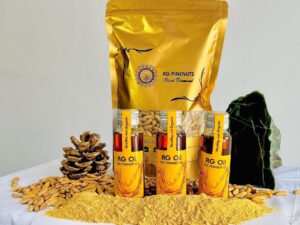
A standard 1-ounce serving of pine nuts, which is about 28 grams or a small handful, contains roughly:
The exact calorie count may vary a little depending on the variety and whether the pine nuts are raw or roasted. Still, the general range stays fairly consistent.
So when people ask about pine nut calories, the short answer is: a small serving contains nearly 200 calories, mostly from fat.
Most of the calories in pine nuts come from fat. That may sound surprising, but fat is naturally calorie-dense. Each gram of fat contains more than twice as many calories as protein or carbohydrates.
The good news is that pine nuts are high in unsaturated fats, especially monounsaturated fats, which are generally considered a healthier fat source than saturated or trans fats.
That means pine nut calories are not “empty” calories. They come with:
This is one reason pine nuts are often considered a nutrient-dense food, even though they are calorie-rich.
Pine nuts are often compared with other nuts and seeds because they are used in similar ways. Here’s how they generally stack up:
Pine nuts tend to be on the higher end of the calorie spectrum, but not dramatically higher than walnuts. What makes pine nuts stand out is how rich and flavorful they are, so people often use them in smaller amounts.
Calories are not automatically bad. What matters is the quality of the food and how it fits into your overall diet.
Pine nut calories can be considered healthy because they come from a food that also provides:
This makes pine nuts a good example of a high-calorie, nutrient-dense food. They can support a balanced diet when eaten in moderation.
If you are trying to lose weight or maintain your weight, pine nuts can still fit into your diet. The key is portion size.
Because pine nuts are calorie-dense, it is easy to eat a lot without noticing. A small handful can add up quickly. But when used thoughtfully, they can actually help support healthy eating because they:
If you are watching your intake, measure your portion instead of eating directly from the bag. This helps you enjoy the taste and nutrition without accidentally adding too many calories.
A common serving size is 1 ounce, or about 2 tablespoons to a small handful.
Here are some practical portion ideas:
If you want to keep calories moderate, using pine nuts as a topping or ingredient rather than the main food is usually the best approach.
The way you eat pine nuts affects your total calorie intake. Here are some common examples:
Toasting does not significantly change the calorie count, but it improves flavor.
Pesto can be calorie-dense because it usually contains olive oil, cheese, and pine nuts. A tablespoon or two can contain a meaningful number of calories.
A small sprinkle on salad adds richness without overwhelming the meal.
A little can elevate a dish, but a heavy hand will increase calories quickly.
Pine nuts mixed with dried fruit and other nuts can become a high-calorie snack very quickly, so portion control matters.
Although calories are important, pine nuts offer more than just energy. Their nutrition profile is part of what makes them worthwhile.
Pine nuts are rich in unsaturated fats, which support heart-conscious eating patterns.
They provide a modest amount of plant-based protein.
Important for muscle and nerve function.
Supports immune function and cell growth.
Helps carry oxygen in the blood.
A powerful antioxidant that helps protect cells from oxidative stress.
When you look at the whole picture, pine nut calories are tied to meaningful nutritional value.
Pine nuts can be part of a heart-conscious diet because they contain mostly unsaturated fats. These fats are often used in healthy eating patterns, such as the Mediterranean diet.
They may help:
Of course, no single food guarantees heart health. Pine nuts are best viewed as one useful ingredient in an overall balanced eating pattern.
If you love pine nuts but want to stay mindful of calories, try these tips:
Use tablespoons or a small kitchen scale instead of eating straight from the container.
A little goes a long way in salads, pasta, and vegetables.
Mix pine nuts with leafy greens, roasted vegetables, or whole grains.
Toasting makes the flavor more pronounced, so you may need less.
Fresh pine nuts taste better, which helps you enjoy them in smaller amounts.
Pine nuts work well in many healthy eating styles, including:
Because they are calorie-dense, they are best used strategically. Think of them as a flavor booster rather than a main staple food.
For example:
The calorie count of pine nuts can change depending on how they are used in recipes. Here are a few things to keep in mind:
The calorie content remains similar, though roasting may slightly reduce moisture.
Salt does not change calories much, but it can affect sodium intake.
When blended into sauces like pesto, it’s easy to use more than expected, which increases total calories.
If a dish includes pine nuts along with olive oil, cheese, or nuts, the total calorie count rises quickly.
This is why it helps to pay attention not just to pine nut calories alone, but to the full recipe.
Because pine nuts contain natural oils, they can go rancid if stored improperly. Freshness matters for both taste and quality.
To keep them fresh:
If pine nuts smell bitter, stale, or unpleasantly oily, they may no longer be good.
Yes, pine nuts are calorie-dense. A 1-ounce serving contains around 190–200 calories.
They are high in natural oils and healthy fats, which provide concentrated energy.
Many people can enjoy them regularly in moderation as part of a balanced diet.
Not necessarily. The key is portion size and total daily intake.
Not significantly. Toasting mainly changes flavor and texture.
If you want to enjoy pine nuts without adding too many calories, try these ideas:
These small amounts can give you great flavor without overloading your meal with calories.
Here’s a simple meal that includes pine nuts in a balanced way:
This kind of dish gives you the flavor and texture of pine nuts while keeping the calorie total reasonable.
Pine nut calories are higher than many people expect, but that does not make pine nuts unhealthy. In fact, their calories come with healthy fats, protein, and important minerals, which gives them real nutritional value. The key is to use them in sensible portions.
A small serving can add a lot of flavor and richness to your meals without requiring much at all. Whether you sprinkle them over a salad, blend them into pesto, or use them as a garnish for vegetables or pasta, pine nuts can be a smart and delicious part of a balanced diet.