
Pine nut health benefits are one of the main reasons these small, buttery seeds have earned such a strong reputation in healthy cooking. Pine nuts may look modest, but they contain a concentrated mix of healthy fats, plant-based protein, vitamins, minerals, and antioxidants that can support overall wellness when eaten as part of a balanced diet. They’re also incredibly versatile in the kitchen, which makes them easy to add to salads, pesto, grain bowls, roasted vegetables, and snacks. Because they are rich in energy and flavor, a small amount can go a long way.
If you’ve ever wondered whether pine nuts are truly healthy or simply a fancy garnish, the answer is that they offer real nutritional value. In this article, we’ll explore the most important pine nut health benefits, their nutrition profile, how they may support heart health and satiety, how to eat them, and what to keep in mind if you want to enjoy them wisely.
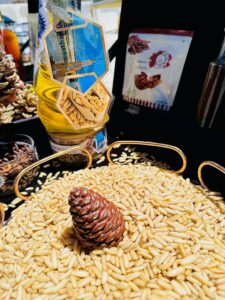
Pine nuts are the edible seeds of certain pine tree species. Even though they are often called nuts, they are technically seeds that grow inside pine cones. After harvesting, the cones are dried, the seeds are removed, and the kernels are sold raw or roasted.
Pine nuts are known for:
Because they are naturally rich in oils, they are more delicate than some other nuts and seeds. That means freshness and proper storage matter.
To understand pine nut health benefits, it helps to look at what’s inside them. A typical 1-ounce serving, or about 28 grams, contains approximately:
They also provide important micronutrients such as:
Most of the fat in pine nuts is unsaturated fat, which is generally considered a beneficial fat source when used in moderation. Their nutrient profile is what makes them more than just a garnish.
One of the most talked-about pine nut health benefits is their potential role in supporting heart health. Pine nuts contain mostly unsaturated fats, especially monounsaturated fats, which are often included in heart-conscious eating patterns like the Mediterranean diet.
These fats may help:
Pine nuts also contain magnesium, which supports normal muscle and nerve function, including the heart muscle. While pine nuts are not a treatment for heart disease, they can be a smart addition to a balanced, nutrient-rich diet.
Pine nuts contain a combination of fat, protein, and a small amount of fiber. That combination can promote satiety, which means they may help you feel full and satisfied after eating.
This is one of the practical pine nut health benefits for everyday eating. When you add pine nuts to a meal, they can help:
Because they are calorie-dense, a small serving is usually enough. Even a tablespoon or two can make a meal feel more complete.
Although pine nuts are not extremely high in protein compared with legumes or some other nuts, they still contribute useful plant-based protein to the diet. That makes them helpful for people who eat more plant-forward meals.
Protein is important for:
If you’re trying to add more protein-rich plant foods to your day, pine nuts can be a helpful ingredient in moderation.
Another major part of pine nut health benefits is their mineral content. Pine nuts contain several nutrients the body uses every day.
Magnesium supports muscle function, energy production, and nerve signaling.
Zinc contributes to immune function, wound healing, and cell growth.
Iron helps carry oxygen in the blood.
Phosphorus supports bones, teeth, and energy metabolism.
Manganese is involved in metabolism and antioxidant defense.
These minerals may not all be present in huge amounts, but together they contribute to the nutritional value of pine nuts.
Pine nuts are energy-dense, which means they provide concentrated calories in a small serving. That makes them a useful food for people who need a nutrient-rich energy source.
They may be especially helpful for:
Unlike sugary snacks that provide a quick rise and fall in energy, pine nuts offer a steadier source of nourishment because they include fat, protein, and nutrients.
Pine nuts contain vitamin E and other antioxidants. These compounds help protect cells from oxidative stress, which is one reason they are often included in discussions of skin-friendly foods.
While no food alone will guarantee healthy skin, a diet that includes healthy fats and antioxidant-rich ingredients can support overall wellness. Pine nuts can be part of that approach.
Pine nuts are a natural fit for Mediterranean-style meals. That’s because they pair beautifully with olive oil, vegetables, grains, herbs, legumes, and fish or plant proteins.
They work well in:
Since Mediterranean-style eating is widely associated with healthy dietary patterns, pine nuts often appear in meals that emphasize whole foods and unsaturated fats.
Sometimes one of the best pine nut health benefits is simply that they help make healthy food more enjoyable. Pine nuts have a mild, rich, buttery flavor that can make simple dishes taste much more satisfying.
A small handful can:
This matters because the more enjoyable healthy meals are, the easier they are to keep in your routine.
Pine nuts are not a magic solution for blood sugar, but their fat and protein can help slow digestion when they’re eaten as part of a mixed meal. That can contribute to a steadier rise in blood sugar compared with eating refined carbohydrates alone.
For example, adding pine nuts to:
can make the meal more balanced and satisfying. This is one of the more practical pine nut health benefits for everyday cooking.
For people who avoid gluten, pine nuts are a safe and versatile ingredient. They can add texture, flavor, and nutrient density to gluten-free dishes without any complicated preparation.
That makes them useful in:
They can help bring richness to meals that might otherwise feel too simple.
If you want to enjoy pine nut health benefits, there are many easy ways to use them in the kitchen.
You can eat them straight from the package as part of a snack or topping.
Lightly toasted pine nuts have a deeper, nuttier flavor. Watch them closely, though, because they can burn quickly.
Pine nuts are a classic pesto ingredient and one of the best-known ways to enjoy them.
They add crunch and richness to leafy greens, grain salads, and roasted vegetable salads.
They work well with pasta dishes, especially those with olive oil, garlic, or herbs.
Try them with rice, quinoa, couscous, or farro.
Pine nuts can be used in breads, cookies, and pastries.
Because pine nuts are calorie-dense, portion size matters. You don’t need a lot to enjoy their flavor and nutrition.
A typical serving is about:
This amount is usually enough to benefit from their healthy fats and minerals without overdoing calories.
Pine nuts are safe for most people, but there are a few things to know.
They are nutritious, but they are also high in calories, so large servings can add up quickly.
Because pine nuts contain oils, they can go rancid if stored poorly.
To keep pine nuts fresh:
Fresh pine nuts should smell mild and pleasant. If they smell bitter, stale, or overly oily, they may have gone bad.
Pine nuts are often compared with almonds, walnuts, sunflower seeds, and cashews. Each has its own strengths, but pine nuts stand out for their flavor and texture.
Compared with other nuts and seeds, pine nuts are:
This makes them ideal when you want a refined touch rather than a strong nut flavor.
Pine nuts can be a useful ingredient for many people, including:
Because they are versatile and nutrient-dense, they fit easily into many different dietary patterns.
They may support heart health, satiety, energy, and overall nutrient intake while adding healthy fats and minerals to meals.
Yes, pine nuts are a nutritious food when eaten in moderation as part of a balanced diet.
Many people can include pine nuts regularly, but portion control is important because they are calorie-dense.
They can be, if you use them in small portions to help meals feel more satisfying.
They may be a good fit in heart-conscious diets because they contain mostly unsaturated fats.
Pine nut health benefits come from a powerful mix of nutrition, flavor, and versatility. These tiny seeds contain healthy fats, plant-based protein, vitamins, and minerals that can support a balanced diet. They may help with satiety, provide energy, and improve the overall quality of meals, all while adding a rich, buttery flavor that makes healthy food more enjoyable.
While pine nuts are expensive and calorie-dense, they can still be a smart addition to your kitchen when used in moderation. Whether you’re making pesto, topping a salad, or building a grain bowl, pine nuts can bring both nutrition and taste to the table.