
Pine nut nutrition is one of the biggest reasons these tiny seeds are so prized in healthy cooking. Pine nuts may be small, but they deliver a rich mix of healthy fats, plant-based protein, vitamins, minerals, and antioxidants. They’re also known for their buttery flavor and smooth texture, which makes them easy to use in everything from pesto and salads to grain bowls and baked dishes. If you’ve ever wondered whether pine nuts are actually nutritious or just a fancy garnish, the answer is that they offer real nutritional value in a very concentrated form.
In this guide, we’ll break down the nutrition profile of pine nuts, their potential health benefits, how they compare with other nuts and seeds, the best ways to eat them, and what to watch out for if you want to enjoy them safely and wisely.
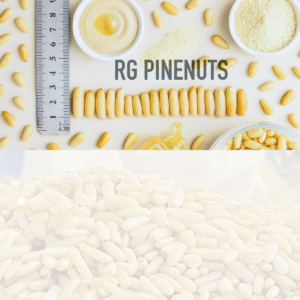
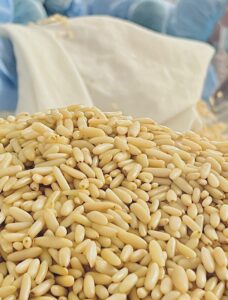
Pine nuts are the edible seeds of certain pine tree species. Even though they are commonly called nuts, they are technically seeds that grow inside pine cones. They are harvested from the cones, cleaned, shelled, and sold either raw or roasted.
Because they are naturally rich in oils, pine nuts have a soft, creamy texture and a delicate, slightly sweet flavor. They are often used in Mediterranean, Middle Eastern, and European cooking, and they are especially popular in pesto.
When people talk about pine nut nutrition, they are usually referring to the fact that these seeds are calorie-dense but also nutrient-rich, making them a small food with a lot to offer.
The exact nutrition profile of pine nuts can vary slightly depending on the species, origin, and processing method. However, a typical 1-ounce serving, which is about 28 grams or a small handful, provides the following approximate values:
Most of the fat in pine nuts comes from unsaturated fats, including monounsaturated fats, which are widely considered a heart-friendly fat source when used as part of a balanced diet.
Pine nuts are often thought of as a garnish, but they can actually contribute meaningful nutrition to your meals. Since they are high in fat and energy, they may help increase satiety and add richness without requiring large quantities.
That means a small amount of pine nuts can make a meal:
Pine nut nutrition matters not only for people who enjoy gourmet cooking, but also for anyone looking to add healthy fats and minerals to their diet in a simple way.
One of the most important features of pine nut nutrition is the type of fat they contain. Pine nuts are especially rich in unsaturated fats, including monounsaturated fats.
These fats are often associated with:
Unlike foods that are high in trans fats or heavily processed oils, pine nuts provide naturally occurring fats in a whole-food form. That is one reason they are commonly included in Mediterranean-style diets.
Pine nuts contain a moderate amount of plant-based protein. While they are not as protein-rich as beans, lentils, or some larger nuts, they still contribute to your daily protein intake.
Protein is important for:
If you eat a plant-forward diet, pine nuts can be a useful ingredient for adding a small protein boost to salads, grain bowls, and sauces.
Another reason pine nut nutrition is valued is the mineral content. Pine nuts provide several important micronutrients that help the body function normally.
Magnesium supports muscle function, energy production, and nerve signaling.
Zinc plays a role in immune function, wound healing, and cell growth.
Iron helps the body transport oxygen through the blood.
Phosphorus supports bones, teeth, and energy metabolism.
Manganese helps with antioxidant defense and nutrient metabolism.
Vitamin E is a powerful antioxidant that helps protect cells from oxidative stress.
These nutrients may not all be present in huge amounts in a single serving, but together they make pine nuts a valuable addition to a balanced diet.
Pine nuts are not a miracle food, but they may offer several health-related benefits when eaten regularly in moderation.
Because pine nuts contain mostly unsaturated fats, they can fit well into a heart-conscious dietary pattern. Replacing less healthy fats with nutrient-rich foods like pine nuts may support overall cardiovascular wellness.
The combination of fat, protein, and a small amount of fiber can help pine nuts promote satiety. This can be useful when you want a meal or snack to keep you satisfied longer.
Vitamin E and other plant compounds in pine nuts may help protect cells from oxidative stress.
Pine nuts are calorie-dense, which means they provide concentrated energy in a small serving. This can be helpful for active people or anyone looking for nutrient-rich calorie sources.
Even if pine nuts are used in small amounts, they can raise the overall nutrient quality of a dish by adding healthy fats, minerals, and flavor.
Because pine nuts are high in calories, some people wonder whether they are good or bad for weight management. The answer depends on portion size and the overall diet.
Pine nuts can be helpful in a weight-conscious diet because they:
However, because they are energy-dense, it’s easy to eat a lot without noticing. If you are watching your calorie intake, it’s best to measure portions instead of eating directly from the bag.
A small serving goes a long way, and that is one of the strengths of pine nut nutrition: you don’t need much to get a nutritional and culinary payoff.
Pine nuts are often compared with almonds, walnuts, sunflower seeds, pumpkin seeds, and cashews. While each of these foods has its own benefits, pine nuts stand out for their flavor and texture.
Pine nuts are softer, milder, and higher in buttery richness.
Pine nuts are less earthy and more delicate.
Pine nuts are more luxurious in taste and often used in smaller amounts.
Pine nuts are less sweet and more subtle, making them ideal in recipes where you want a smooth, refined flavor.
Each nut or seed has a unique nutrient profile, but pine nuts are especially known for their healthy fats and premium culinary use.
If you want to enjoy pine nut nutrition, there are many easy ways to include pine nuts in your meals.
You can eat pine nuts raw as a snack or sprinkle them over foods.
Lightly toasting pine nuts brings out their aroma and flavor. Just be careful, because they brown quickly.
Pine nuts are a classic pesto ingredient and one of the best-known uses for them.
Add them to green salads, grain salads, or roasted vegetable bowls for texture.
Pine nuts pair well with pasta dishes, especially those with olive oil, garlic, or herbs.
They go well with quinoa, rice, couscous, farro, and other grains.
They can be used in bread, cookies, pastries, and desserts.
Combine them with dried fruit and other nuts or seeds for a satisfying trail mix.
Toasting pine nuts is a great way to improve their flavor, but they can burn very quickly. Here’s a simple method:
You can also toast them in the oven, but keep a close eye on them. Their high oil content means they can go from perfect to overdone very fast.
Because pine nuts are rich in natural oils, they can go rancid if stored badly. To help preserve freshness:
Proper storage is important because freshness strongly affects both flavor and nutrition.
Pine nuts are safe for most people when eaten in moderation, but there are a few cautions to keep in mind.
Pine nuts are nutritious, but they are also calorie-dense. Large amounts can add up quickly.
A small number of people report a temporary bitter or metallic taste after eating pine nuts. This condition is known as “pine mouth” and usually goes away on its own.
Because of their oils, pine nuts can spoil faster than some other nuts if not stored properly.
Pine nuts work best when they are part of a varied eating pattern. They are not usually eaten in large portions, but they can improve the quality of meals in a simple way.
A balanced meal with pine nuts might include:
This is one reason pine nut nutrition is so practical: a little can go a long way.
Yes, pine nuts are a nutritious food when eaten in moderation. They provide healthy fats, protein, and important minerals.
They may be a good fit in heart-conscious diets because they contain mostly unsaturated fats.
A 1-ounce serving has about 190–200 calories, depending on the source.
Many people can enjoy pine nuts regularly as part of a balanced diet, as long as portions are moderate.
Yes, but because they are calorie-dense, small portions are usually best.
Pine nut nutrition is impressive for such a small food. Pine nuts deliver healthy fats, moderate protein, essential minerals, vitamin E, and a rich flavor that makes healthy meals more enjoyable. They are especially useful in salads, pesto, grain bowls, and other dishes where you want both texture and nutrition.
While they are expensive and calorie-dense, pine nuts can still be a worthwhile ingredient when used wisely. A small serving can improve the taste and nutritional value of a meal without requiring much effort.
If you want a food that combines convenience, flavor, and real nutritional value, pine nuts are an excellent choice to keep in your kitchen.