
What are the benefits of eating pine nuts? Pine nuts are small, delicate seeds with a rich, buttery flavor, but they offer much more than taste alone. These tiny ingredients contain healthy fats, plant-based protein, vitamins, minerals, and antioxidants that can support overall wellness when eaten as part of a balanced diet. People enjoy pine nuts in salads, pesto, grain bowls, baked goods, and snacks because they add both nutrition and a luxurious texture. They are also valued in many traditional cuisines around the world for their flavor and versatility. If you’ve ever wondered whether pine nuts are actually good for you, the answer is yes—they can be a smart and delicious addition to your diet.
In this article, we’ll explore the nutritional profile of pine nuts, their health benefits, how to eat them, who should be cautious, and why they’ve become such a prized food.
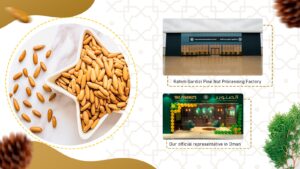
Pine nuts are the edible seeds of certain pine tree species. Despite their name, they are technically seeds, not true nuts. They grow inside pine cones and must be extracted carefully after harvesting.
They are known for:
Because they are so rich in natural oils, they can spoil more easily than some other pantry staples. That means freshness and proper storage are important.
One of the biggest reasons people ask what are the benefits of eating pine nuts is that these small seeds are surprisingly nutrient-dense.
A typical serving provides:
That combination of nutrients is what makes pine nuts more than just a garnish. They contribute to energy, satiety, and a well-rounded diet.
One of the most talked-about benefits of eating pine nuts is their potential support for heart health. Pine nuts are rich in unsaturated fats, especially monounsaturated fats, which are commonly associated with heart-conscious eating patterns.
These fats may help:
They also contain magnesium, which is important for normal muscle and nerve function, including the heart muscle. When used in moderation, pine nuts can be a heart-friendly ingredient in meals.
Pine nuts contain a mix of fat, protein, and a small amount of fiber. That combination can help increase satiety, meaning you may feel satisfied after eating.
This is useful if you want:
Because pine nuts are calorie-dense, a little goes a long way. Even a small serving can make a meal feel richer and more satisfying.
If you eat a vegetarian or plant-forward diet, pine nuts can be a helpful addition. They contain a modest amount of protein, which contributes to daily intake.
Protein is important for:
Pine nuts won’t replace major protein sources like beans or lentils, but they can add a useful protein boost to meals.
Another answer to what are the benefits of eating pine nuts is their mineral content. These seeds contain several minerals that support normal body functions.
Magnesium is involved in energy production, nerve function, and muscle health.
Zinc plays a role in immune function, wound healing, and cell growth.
Iron is essential for oxygen transport in the blood.
Phosphorus helps support bones and teeth, as well as energy metabolism.
Manganese is involved in antioxidant defense and metabolism.
Getting a variety of minerals from food is one reason pine nuts can be a helpful part of a balanced eating pattern.
Because pine nuts contain healthy fats, protein, and several B-vitamin-related nutrients, they can help support energy metabolism. They are calorie-dense, which means they provide a concentrated source of energy in a small serving.
This can be especially useful for:
Of course, “energy” here means nutritional energy from food, not a stimulant effect. Pine nuts are steady and satisfying rather than sharp or jittery.
Pine nuts contain vitamin E and antioxidants, both of which are associated with cellular protection. Vitamin E helps protect cells from oxidative stress, and antioxidant compounds may help the body manage damage from free radicals.
That’s one reason people include nutrient-rich foods like pine nuts in skin-conscious diets. While no food alone guarantees better skin, a diet that includes healthy fats and antioxidants can support overall wellness.
Fat is often misunderstood, but healthy fats are a normal and important part of the diet. Pine nuts are especially rich in unsaturated fats, which are generally considered more beneficial than saturated fats when eaten in the right balance.
These fats:
This is a major reason pine nuts are valued in the Mediterranean diet and other traditional cuisines.
Pine nuts are commonly used in Mediterranean cooking, which emphasizes vegetables, fruits, legumes, whole grains, olive oil, nuts, seeds, and herbs.
They fit well into this style of eating because they:
If you’re trying to eat in a more Mediterranean way, pine nuts are an excellent ingredient to keep on hand.
Sometimes the biggest benefit of a food is that it makes healthy eating more enjoyable. Pine nuts are excellent at adding a rich, buttery note to dishes without requiring much quantity.
They can improve:
This matters because food enjoyment can make healthy habits easier to maintain. If a salad tastes better, you’re more likely to eat it regularly.
Pine nuts are not a cure for blood sugar issues, but their fat and protein content can help slow the absorption of carbohydrates when eaten as part of a mixed meal.
That means they may contribute to:
For example, adding a small amount of pine nuts to a bowl of grains and vegetables can make the meal more satisfying and better balanced.
If you want to enjoy the benefits of eating pine nuts, there are many simple ways to use them.
You can eat them straight from the bag or container.
Lightly toasting pine nuts brings out their flavor and aroma. Be careful, though—they burn quickly.
They’re a classic ingredient in pesto sauce.
A sprinkle of pine nuts can add crunch and richness.
They pair well with rice, quinoa, couscous, and farro.
They can be used in breads, cookies, pastries, and savory bakes.
Combine them with dried fruit and other nuts or seeds.
Because pine nuts are calorie-dense, portion size matters. A small serving is usually enough to enjoy their flavor and nutritional value.
A typical serving might be:
You don’t need a large amount to benefit from them. In fact, using them sparingly is often the best approach.
For most people, pine nuts are safe when eaten in moderation. Still, there are a few things to keep in mind.
Some people can be allergic to pine nuts. If you have a tree nut or seed allergy, check with a healthcare professional before eating them.
Pine nuts are nutritious, but they are high in calories. Large amounts may add up quickly.
Because they contain oils, pine nuts can go rancid if stored poorly.
A rare condition called “pine mouth” has been reported by some people, causing a temporary bitter or metallic taste after eating pine nuts.
To keep pine nuts fresh:
Fresh pine nuts should smell mild and pleasant. If they smell stale, bitter, or overly oily, they may no longer be good.
When people ask what are the benefits of eating pine nuts, they’re often comparing them to other nuts and seeds.
Pine nuts are softer and more delicate in flavor.
Pine nuts are less earthy and more buttery.
Pine nuts are typically more refined in taste and texture.
Pine nuts are less sweet and more subtle.
Their unique flavor is one reason they are so prized in cooking, even though they are usually more expensive than other options.
Pine nuts can be especially useful for:
They are a versatile food that can fit into many eating styles.
They may support heart health, help with satiety, provide minerals, add healthy fats, and improve the flavor of meals.
Yes, when eaten in moderation, pine nuts are a nutritious ingredient with healthy fats, protein, and minerals.
Many people can, as long as portion sizes are moderate and they fit into an overall balanced diet.
They can be, because they help make meals more satisfying. But they are calorie-dense, so portion control matters.
They are labor-intensive to harvest, limited in supply, and require careful processing and storage.
So, what are the benefits of eating pine nuts? They are a small food with a big nutritional and culinary impact. Pine nuts provide healthy fats, plant-based protein, important minerals, and a rich flavor that can elevate many dishes. They may support heart health, satiety, and overall diet quality while making healthy meals more enjoyable.
They are best used in moderation because they are calorie-dense and relatively expensive, but a small amount goes a long way. Whether you’re making pesto, tossing a salad, or finishing a grain bowl, pine nuts can be a smart and delicious addition to your kitchen.