
Quite a lot: they’re a nutrient-rich food that can support heart health, help you feel full, add healthy fats and protein to meals, and bring a rich, buttery flavor to both savory and sweet dishes. Pine nuts may be small, but they are packed with nutrients and culinary value. People use them in salads, pesto, rice dishes, baked goods, and snacks, while nutrition experts often point to them as a source of minerals, antioxidants, and unsaturated fats.
If you’ve ever wondered whether pine nuts are worth adding to your diet, the short answer is yes. They are a versatile ingredient with several potential health benefits, especially when eaten in moderation as part of a balanced diet. In this guide, we’ll break down exactly what pine nuts are good for, how they support health, how to use them, and what to watch out for.
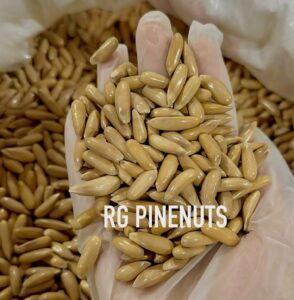
Pine nuts are the edible seeds of pine trees. Despite the name, they are not true nuts in the botanical sense. They come from the cones of certain pine species and are commonly harvested from wild or cultivated pine forests.
They are known for their:
Because they are delicate and rich in natural oils, pine nuts can spoil more quickly than some other nuts if not stored properly. Still, their flavor and nutrition make them a favorite ingredient in many cuisines around the world.
One reason pine nuts are so valued is their nutrient density. A small serving contains a mix of healthy fats, protein, vitamins, and minerals.
Pine nuts typically provide:
These nutrients help explain what pine nuts are good for nutritionally. They can support energy production, cellular health, and overall wellness when included as part of a balanced eating pattern.
Pine nuts are good for several things in a healthy diet. They are not a miracle food, but they do offer meaningful benefits.
Pine nuts are rich in unsaturated fats, especially monounsaturated fats. These are the same types of fats often associated with heart-friendly eating patterns, such as the Mediterranean diet.
They may help:
Because of this, pine nuts are often considered a smart choice for people looking to eat in a more heart-conscious way.
Pine nuts contain a combination of fat, protein, and fiber, which may help increase satiety. That means they can help you feel satisfied after eating.
This is one reason they can be a useful ingredient in:
When eaten in moderation, they can help curb hunger and make meals more satisfying.
Pine nuts are calorie-dense, which means they provide a lot of energy in a small serving. For people who need nutrient-rich foods, they can be a good energy source.
They’re especially useful for:
Pine nuts contain minerals that are important for many body functions. Magnesium supports muscle and nerve function. Zinc plays a role in immunity. Iron is important for oxygen transport in the blood.
This makes pine nuts good for overall nutritional support, especially when your diet could use more mineral-rich plant foods.
Pine nuts are one of the most versatile ingredients in the kitchen. Their mild sweetness and buttery texture make them easy to pair with many foods.
Pine nuts are famous for their role in pesto. Their richness blends beautifully with basil, garlic, olive oil, and cheese.
A handful of toasted pine nuts adds crunch and flavor to green salads, grain salads, and roasted vegetable dishes.
They pair well with rice pilaf, couscous, quinoa, and other grains.
Pine nuts can be sprinkled over pasta or blended into sauces for extra richness.
They work well in cookies, cakes, pastries, and sweet breads.
You can eat them raw or lightly toasted as part of a snack mix.
If you’re asking what pine nuts are good for in everyday cooking, the answer is: almost anything that benefits from a soft crunch and rich, nutty flavor.
Let’s look more closely at some of the specific health benefits associated with pine nuts.
As mentioned earlier, their unsaturated fats are one of their biggest strengths. Replacing saturated fats with unsaturated fats can be beneficial for heart health.
Because pine nuts contain fat, protein, and some fiber, they may help slow digestion when eaten with other foods. This can contribute to steadier energy levels and more balanced meals.
Pine nuts contain vitamin E and antioxidants, which help protect cells from oxidative stress. These nutrients are often associated with healthy skin and long-term wellness.
Zinc and other minerals found in pine nuts help support normal immune system function.
Magnesium and phosphorus are both important for maintaining strong bones and normal body function.
One of the simplest answers to what pine nuts are good for is this: they can improve the nutritional quality of a meal. A small amount can add healthy fats, minerals, and flavor, helping simple meals feel more complete.
Pine nuts can fit into a weight-conscious diet, but portion size matters.
They are calorie-dense, so eating very large amounts can add up quickly. However, their satisfying fat and protein content may help you feel full, which can support mindful eating.
Pine nuts may be useful for weight management when:
They are not a magic weight-loss food, but they can absolutely be part of a healthy plan.
Pine nuts fit naturally into Mediterranean-style eating, which emphasizes plant foods, healthy fats, herbs, grains, and legumes.
They are a useful plant-based ingredient that adds richness and nutrients.
Pine nuts are naturally gluten-free, making them suitable for people avoiding gluten.
They can elevate simple dishes with minimal effort, which is helpful for people who want quick but flavorful meals.
There are many easy ways to enjoy pine nuts.
You can eat them straight from the package, though many people prefer them toasted.
Lightly toasting pine nuts brings out their flavor and makes them more aromatic. Be careful, though—they burn quickly.
Add them to:
Pine nuts can be used in sauces, spreads, and dressings for a smooth, rich texture.
If you’re still wondering what pine nuts are good for, the practical answer is: they are good for making food taste better and feel more satisfying.
Because pine nuts are rich and calorie-dense, a small serving is usually enough.
A typical serving might be around:
There is no single perfect amount for everyone, but moderation is important. Pine nuts are best used as an enriching ingredient, not eaten in extremely large quantities.
For most people, pine nuts are safe and nutritious. However, there are a few things to keep in mind.
Some people are allergic to pine nuts. If you have a tree nut or seed allergy, check with a healthcare professional before eating them.
They are nutritious but energy-dense, so large amounts may contribute to excess calorie intake.
A rare condition known as “pine mouth” has been reported by some people, where a bitter or metallic taste appears after eating pine nuts. It is temporary, but it can be unpleasant.
Because of their natural oils, pine nuts can go rancid if stored poorly.
To keep pine nuts fresh:
Proper storage helps preserve both flavor and nutritional quality.
When buying pine nuts, look for:
If the nuts smell bitter, oily in a bad way, or stale, they may be past their best.
Pine nuts are used in many cuisines worldwide. They appear in Mediterranean, Middle Eastern, Central Asian, and European dishes. Their role in global cooking shows just how versatile they are.
They are often used to:
This versatility is another reason pine nuts are good for more than just nutrition—they’re also excellent for culinary creativity.
Pine nuts are good for heart-friendly eating, adding healthy fats and minerals, improving meal flavor, and supporting satiety.
They are nutritious, but “healthier” depends on your dietary needs. Pine nuts are especially valued for their fats, minerals, and unique flavor.
Yes, in moderate amounts, most people can eat pine nuts regularly as part of a balanced diet.
They contain vitamin E and antioxidants, which may support healthy skin as part of an overall nutrient-rich diet.
They are often difficult to harvest, and the process is labor-intensive. Supply and quality also affect price.
So, what are pine nuts good for? They are good for nourishing the body, enriching meals, and adding a luxurious, buttery flavor to countless dishes. Their mix of healthy fats, protein, fiber, and minerals makes them a valuable ingredient for heart-conscious, plant-forward, and nutrient-dense eating.
Whether you use them in pesto, salads, rice dishes, or snacks, pine nuts offer both nutrition and taste. They’re a small ingredient with a big impact.
If you want to improve the flavor and nutritional quality of your meals, pine nuts are definitely worth keeping in your kitchen.