
Pine nuts kernel is a premium ingredient that deserves more attention than it usually gets. These small, buttery kernels are the edible seeds taken from pine cones, and they bring a delicate flavor and rich texture to all kinds of dishes. Whether you are using them in pesto, salads, pasta, baked goods, grain bowls, or snack mixes, pine nuts kernel adds a gourmet touch that is both simple and impressive. Because they are naturally rich in oils and have a mild, elegant taste, they are especially popular in premium food markets, health-focused kitchens, and specialty recipes.
If you have ever seen pine nuts kernel listed in a product catalog, wholesale sheet, or recipe and wondered exactly what it is, how it is used, or why it is considered valuable, this guide will walk you through everything you need to know. We’ll cover what pine nuts kernel is, where it comes from, its nutritional profile, how to use it, how to store it, how to judge quality, and what makes it such a versatile ingredient in both home kitchens and food businesses.
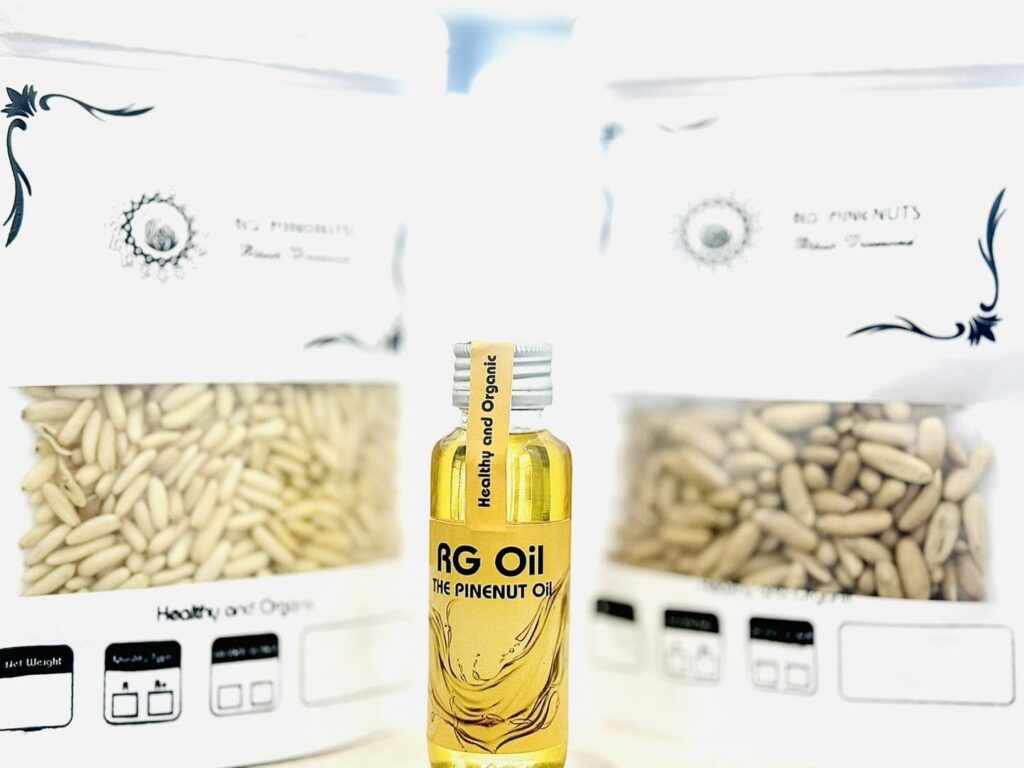
Pine nuts kernel refers to the edible inner seed of pine nuts after the shell has been removed. In simple terms, it is the part of the pine nut that people eat. These kernels are harvested from pine cones, then dried, shelled, cleaned, sorted, and packed for sale.
Although people often call them nuts, pine nuts are technically seeds. The term “kernel” is commonly used in trade and food packaging to describe the shelled edible part. In many markets, pine nuts kernel is the version people buy when they want a ready-to-use ingredient with no shelling required.
Pine nuts kernel is known for:
Because the kernels are delicate and rich, they are considered a luxury ingredient in many cuisines.
Pine nuts kernel comes from certain species of pine trees. These trees grow in mountainous or forested regions in parts of the world where the climate and soil support cone production.
Common growing regions include:
Some of the most highly valued kernels come from wild or semi-wild forests, where trees grow naturally and are harvested with care. The growing environment can affect size, taste, oil content, and overall quality, which is why pine nuts kernel from some origins is considered more premium than others.
There are many nuts and seeds in the world, but pine nuts kernel stands out for several reasons.
It has a mild, buttery, slightly sweet flavor that works well in both savory and sweet dishes.
The kernels are soft, smooth, and lightly creamy.
Because of their price and culinary use, they are often associated with gourmet food and high-value products.
They can be eaten raw, toasted, or used in a wide range of recipes.
They provide healthy fats, protein, minerals, and antioxidants.
This combination of taste, nutrition, and flexibility makes pine nuts kernel a favorite among chefs, food brands, and consumers who appreciate high-quality ingredients.
Pine nuts kernel is nutrient-dense, which means it offers a lot of nutrition in a small serving. While exact values can vary by species and origin, a typical serving provides a mix of healthy fats, protein, and micronutrients.
Because pine nuts kernel is rich in natural oils, it is calorie-dense. That makes it an energy-rich food that can help add satisfaction and richness to meals. In moderation, it can be a useful part of a balanced diet.
Pine nuts kernel is not a miracle food, but it can offer several health-related benefits when eaten as part of a varied diet.
The kernels contain mostly unsaturated fats, which are often considered beneficial in balanced diets.
The combination of fat, protein, and a little fiber can help meals feel more filling.
Vitamin E and other plant compounds may help protect cells from oxidative stress.
Its calorie density makes it a concentrated source of energy in small portions.
Minerals like magnesium, zinc, and iron support normal body functions.
Pine nuts kernel works well in Mediterranean-style, vegetarian, vegan, and gluten-free eating patterns.
One of the biggest reasons people love pine nuts kernel is its taste. It has a rich, buttery flavor with a mild sweetness that makes it easy to use in many recipes.
Compared with other nuts, it is:
That subtle flavor is part of its appeal. It does not dominate dishes, but instead adds a soft richness that enhances everything around it.
Pine nuts kernel is extremely versatile in the kitchen. It can be used in countless dishes, from quick snacks to gourmet recipes.
This is the classic use. Pine nuts kernel blends beautifully with basil, garlic, olive oil, and Parmesan.
A sprinkle over a leafy salad or grain salad adds richness and texture.
They pair well with olive oil, herbs, lemon, tomatoes, and cheese.
Use them in quinoa, rice, couscous, farro, or barley bowls for a premium finish.
They add a pleasing contrast to sweet or caramelized vegetables.
They can be used in breads, pastries, cookies, and savory baked goods.
They can be eaten on their own or mixed into trail mix and snack blends.
Pine nuts kernel can be blended into dips, creamy sauces, and nut-based fillings.
Because of its mild flavor, it can fit into many recipes without clashing with other ingredients.
Pine nuts kernel appears in many food traditions around the world.
Used in pesto, rice dishes, salads, and baked foods.
Common in rice pilafs, savory meats, and festive dishes.
Used in rich gravies, sweets, and special occasion meals.
Found in pastries, sauces, and gourmet recipes.
Used in plant-based dishes, salads, and premium snack products.
Its adaptability across cuisines is one reason it continues to stay in demand globally.
Toasting brings out the flavor of pine nuts kernel and gives it a deeper aroma. It can be toasted easily at home.
Toasting is optional, but it often makes the kernels taste richer and more aromatic.
Since pine nuts kernel contains natural oils, proper storage matters a lot. If stored badly, the kernels can go rancid or lose their delicate flavor.
Fresh pine nuts kernel should smell mild, buttery, and pleasant. If it smells bitter, stale, or oily in a bad way, it may no longer be good.
When buying pine nuts kernel, quality is important. Look for products that are fresh, clean, and well-packaged.
If possible, choose suppliers who can provide samples or product details before large orders. That helps you judge freshness and quality more accurately.
Pine nuts kernel is often sold in bulk or wholesale quantities for restaurants, retailers, distributors, and food manufacturers.
If you buy in bulk, storage becomes even more important. Use airtight containers and keep the product in cool conditions to preserve freshness.
Many pine nuts kernel products come from forest-grown or wild-harvested pine trees. That means sustainability matters.
Since pine trees can take years to mature, sustainable harvesting is important for the future of the product and the communities that depend on it.
Pine nuts kernel is often compared with almonds, walnuts, sunflower seeds, and cashews.
Pine nuts kernel is softer and milder in flavor.
It is less earthy and more buttery.
It is more delicate and premium in taste.
It is less sweet but more refined and aromatic.
These differences make pine nuts kernel especially useful in recipes where a subtle, elegant nut flavor is desired.
It is the edible shelled inner part of the pine nut seed.
Yes, it contains healthy fats, protein, minerals, and antioxidants.
You can eat it raw, toasted, or use it in salads, pesto, pasta, baking, and snacks.
It is labor-intensive to harvest, limited in supply, and delicate to process.
Store it in an airtight container in a cool, dry place, and refrigerate or freeze for longer freshness.
Pine nuts kernel is a small ingredient with a big impact. It offers rich flavor, useful nutrition, and impressive versatility in the kitchen. From pesto and salads to pasta, baking, and premium snacks, it can add a gourmet touch to nearly any recipe. Its mild buttery taste and delicate texture make it a favorite for chefs, food brands, and home cooks alike.
Because pine nuts kernel is naturally rich in oils, freshness and storage are especially important. When handled well, it can be a high-value ingredient that delivers both culinary enjoyment and practical use. Whether you buy it for home cooking, retail, or wholesale, pine nuts kernel remains one of the most refined and flexible ingredients in the world of nuts and seeds.