
Organic pine nut butter is a spread made from pine nut kernels ground until their own oil turns them into a smooth paste, using nuts grown to organic standards. The best jars have one ingredient and a named species. The butter tastes mild, buttery, and faintly resinous, runs looser than almond butter, and costs more than almost any other nut butter. This guide covers what drives that price, which label details matter, the “pine mouth” issue most sellers skip, and how to use a jar once you have it.
Pine nuts are the edible seeds of certain pine species, taken from the cones. Pine nut butter is those kernels ground, with nothing required beyond the nuts. Many good jars list “organic pine nuts” as the only ingredient, and some add a little salt.
It’s often confused with pesto, which is a basil, oil, and cheese sauce that may contain pine nuts, and with pine nut paste or flour, which can be drier or include additives. If the ingredient list is longer than “pine nuts” and perhaps salt, you’re buying something other than the classic product.
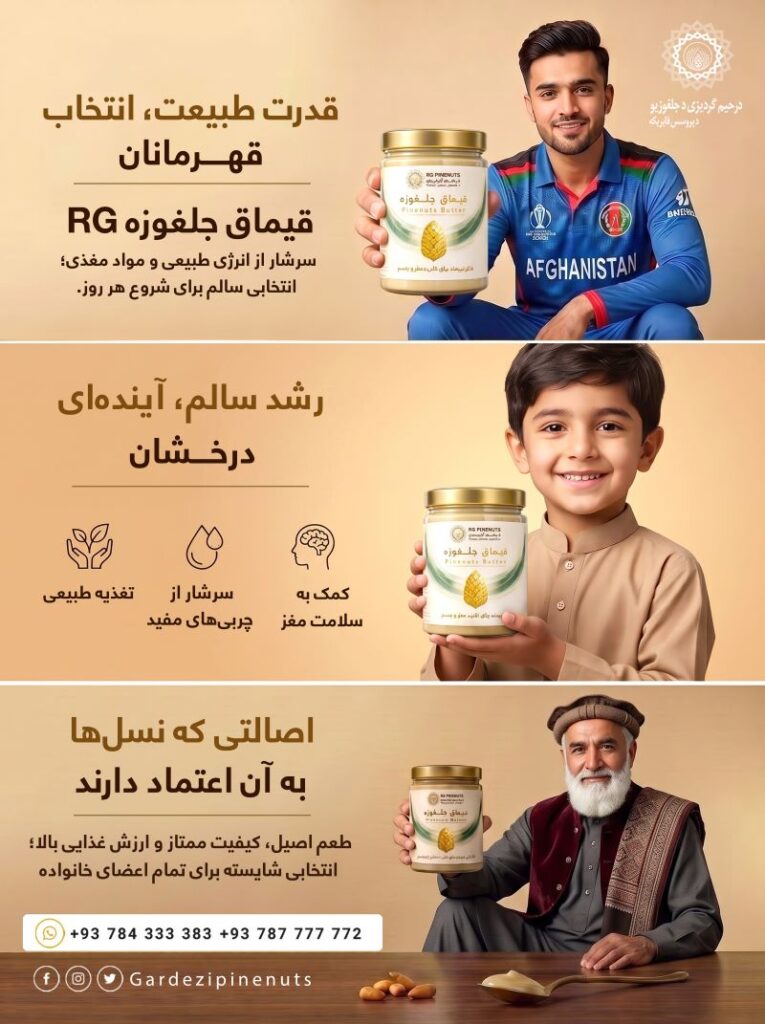
Mild, buttery, and gently sweet, with a soft piney note at the finish. There’s none of the bitterness of walnut or the heavy roast of peanut, so it suits delicate pairings like tomatoes, herbs, honey, and fruit.
Texture is the other difference. The high oil content makes the butter loose and silky, and it often separates in the jar. That’s normal.
| Pine nut butter | Almond butter | Cashew butter | |
|---|---|---|---|
| Flavor | Buttery, faintly resinous, subtly sweet | Nutty, slightly bitter skin note | Sweet, creamy, neutral |
| Texture | Silky, loose, oil-forward | Thick, sometimes gritty | Smooth, thick |
| Best for | Savory cooking, pesto, dressings, desserts | Toast, baking, smoothies | Sauces, vegan cheese, desserts |
| Price tier | Highest | Moderate | Moderate to high |
The steps are simple, but each one affects the jar.
Harvest and drying. Cones are gathered and dried until the scales open and release the seeds.
Shelling and sorting. The hard shell comes off, and kernels are graded. Removing discolored or damaged kernels matters, because a few rancid nuts can turn a whole batch bitter.
Roasting (optional). Raw butter skips this step and tastes more delicate. Roasting adds toasty depth.
Grinding. The kernels are milled to a paste. Some producers emphasize cool, slow grinding: Wilderness Poets says its butter is ground at a cool temperature to retain enzymes and nutrients, and Living Tree says it makes its butter slowly, over several days. These are producer claims about process, and the flavor difference is real but subtle. amazonlivingtreecommunityfoods
[BRAND-SPECIFIC: describe your actual process: raw or roasted, mill type, batch size, facility. Include only what's true and verifiable.]
“Pine nut” is not one product. The FAO counts 29 pine species with edible nuts, and trade centers on a few: favorflav
Species affects flavor, kernel size, price, and fat composition. A label that says only “pine nuts” tells you very little. A named species and country of origin is the clearest sign of a transparent producer.
[BRAND-SPECIFIC: state your species and sourcing region once confirmed. Don't publish this line unverified.]
Some people get a bitter or metallic taste after eating certain pine nuts. It’s called pine mouth or pine nut syndrome, and it’s real but uncommon.
According to the NSW Food Authority, the taste appears one to three days after eating, can last from a few days up to two weeks, and is made worse by food and drink. Because the delay hides the connection, many people never link the taste to the nuts. A published trial describes the symptom as a constant bitter or metallic taste. nswnih
The cause hasn’t been settled, but suspicion falls on one species. The NSW Food Authority says several researchers have implicated Pinus armandii exported from the Shaanxi and Shanxi regions of China, and that Codex Alimentarius moved to exclude P. armandii and P. massoniana from its list of edible tree nuts. nswnsw
For buyers, that means:
In the US, look for the USDA Organic seal and a named certifying agent. Other markets have their own marks. “Wild,” “natural,” or “pure” are not the same as organic, and wild-harvested products can be certified only with proper documentation.
Three questions worth asking any seller: who certified it, whether the certificate covers the nuts, the facility, or both, and which species and country the nuts come from.
[BRAND-SPECIFIC: name your certifier and certificate details. Don't publish an organic claim unverified.]
Pine nuts are energy-dense. USDA data lists them at 673 calories, 68.4 g of fat, and 13.7 g of protein per 100 g. That’s roughly 200 calories in a two-tablespoon serving, though brands vary, so check the label. Most of the fat is unsaturated, and pine nuts also provide manganese, vitamin E, magnesium, and zinc. myfooddata
The distinctive component is pinolenic acid, a fatty acid rare in the food supply. One summary puts it at roughly 14 to 19 percent of total fatty acids depending on species. A broader chemical analysis of 41 seed samples from 22 species found pinolenic acid ranging from 0.2 to 22.4 g per 100 g of seed oil. In other words, the amount depends heavily on which pine your butter came from. nutcravingsselcuk
Researchers are investigating pinolenic acid for metabolic effects. A registered clinical trial describes it as a potent dual FFAR1/FFAR4 agonist, and notes that purified pinolenic acid improved glucose tolerance in mice. Small human studies have also looked at pine nut oil and appetite hormones. clinicaltrialsclinicaltrials
Keep this in proportion. Much of the work uses purified compounds or concentrated oils, sample sizes are small, and none of it shows that eating pine nut butter prevents or treats any condition. It’s a calorie-dense food with an unusual fat profile that researchers find interesting.
Four developments are worth knowing as a buyer.
Species verification. Dutch geneticist Ben Zonneveld compared the genome size and taste of 11 commercial pine nut samples and linked the bitter aftertaste to P. armandii. His method can determine genome size in about a day, and importers can use it to screen shipments. This is the kind of testing that makes a “named species” claim checkable, and it’s worth asking suppliers whether they verify. springermareonline
Limits of chemical fingerprinting. A 2018 study tried to separate P. armandii from other pines using fatty acid, tocopherol, and amino acid profiles. It found the profiles too close to some other Pinus species for clear differentiation. That is one reason DNA-based methods matter, and why vague labels are hard to trust. selcuk
Sprouting. Some producers sprout the nuts before grinding. Blue Mountain Organics claims its process maximizes bioavailability, removes bitterness, and concentrates flavor. That’s a brand claim rather than established science, but it shows where premium products are heading. bluemountainorganics
Regulation and supply chains. Export controls and Codex decisions around P. armandii mean species labeling is increasingly part of how reputable producers differentiate themselves.
Pine trees are slow to reach cone production. Cones are commonly harvested and processed by hand, and each yields few seeds. A large share of harvested weight is shell. Certified organic supply is limited, and certification adds cost. The high oil content also demands careful handling.
Prices on retail listings vary widely with species, certification, and processing, so compare per ounce and read the label rather than judging by price alone. A very cheap jar is a reason to look closely at ingredients and origin.
Its mildness makes it more of a cooking ingredient than a spoon-from-the-jar spread, though it works that way too.
Spread it on warm sourdough with tomato, basil, and flaky salt, or stir a spoonful into pasta sauce or pesto for dairy-free creaminess. Whisk it with lemon juice and warm water for a dressing. Drizzle it over roasted squash, carrots, or cauliflower. In the morning, swirl it into oatmeal or yogurt with fruit and honey. In baking, it works in shortbread, blondies, and cookie dough. Because it’s oil-rich, thin it with a little warm water when making sauces.
Keep unopened jars in a cool, dry, dark place. Blue Mountain Organics advises storage for up to one year, with stirring if oil separates, and refrigeration or freezing available to extend freshness. After opening, refrigeration is the safer default for a fat-rich product. bluemountainorganics
Signs it has turned: a sharp, paint-like or crayon-like smell, a bitter or sour taste, or visible mold. Use a clean, dry spoon each time.
[CTA: Shop our organic pine nut butter → link] [Wholesale/bulk CTA if applicable → link]
Is pine nut butter healthy?
It’s a nutrient-dense food with mostly unsaturated fat, plant protein, and minerals like manganese and magnesium. It’s also high in calories, so portion size matters.
Why is it so expensive?
Slow-growing trees, hand harvesting, shell loss, limited certified organic supply, and perishability all add cost.
What is pine mouth?
A bitter or metallic taste that can appear one to three days after eating certain pine nuts and last from days to about two weeks. Pinus armandii is the main suspect, though the cause is not fully settled.
Is it safe with a nut allergy?
Not automatically. Pine nuts can trigger reactions in some people, including some with tree nut allergies. Check with an allergist first.
Raw or roasted?
Neither is better. Raw is milder and more delicate, and roasted is deeper and nuttier.
Does it need refrigeration?
Unopened jars do fine in a cool, dark place. After opening, refrigeration helps protect flavor and slows rancidity.
Why does it separate?
Natural oil separation is normal in single-ingredient butters. Stir it back in.
What’s the difference between Siberian and Korean pine nut butter?
They come from different species (Pinus sibirica and Pinus koraiensis) and differ in flavor, sourcing, and price. Siberian is usually wild-harvested and priced higher.
/organic-pine-nut-butter