
Finding a dependable international pine nut exporter is essential for importers, wholesalers, distributors, retailers, food manufacturers, restaurants, hotels, and specialty food businesses seeking premium pine nuts for international markets.
International buyers need more than a supplier that can provide a product. They need a reliable export partner capable of maintaining product quality, consistent specifications, professional processing, appropriate packaging, storage, documentation, traceability, and dependable international supply.
Pine nuts are premium edible seeds valued for their distinctive flavor, delicate texture, nutritional profile, and versatility in cuisines around the world. However, because pine nuts contain significant amounts of oil, their quality can be affected by factors including processing, transportation, packaging, temperature, moisture, oxygen exposure, and storage conditions. Research on nut quality identifies oxidation as an important factor affecting flavor, freshness, shelf life, and commercial quality.
For this reason, choosing an experienced international pine nut exporter should involve evaluating the entire supply chain—from origin and processing to packaging and delivery.
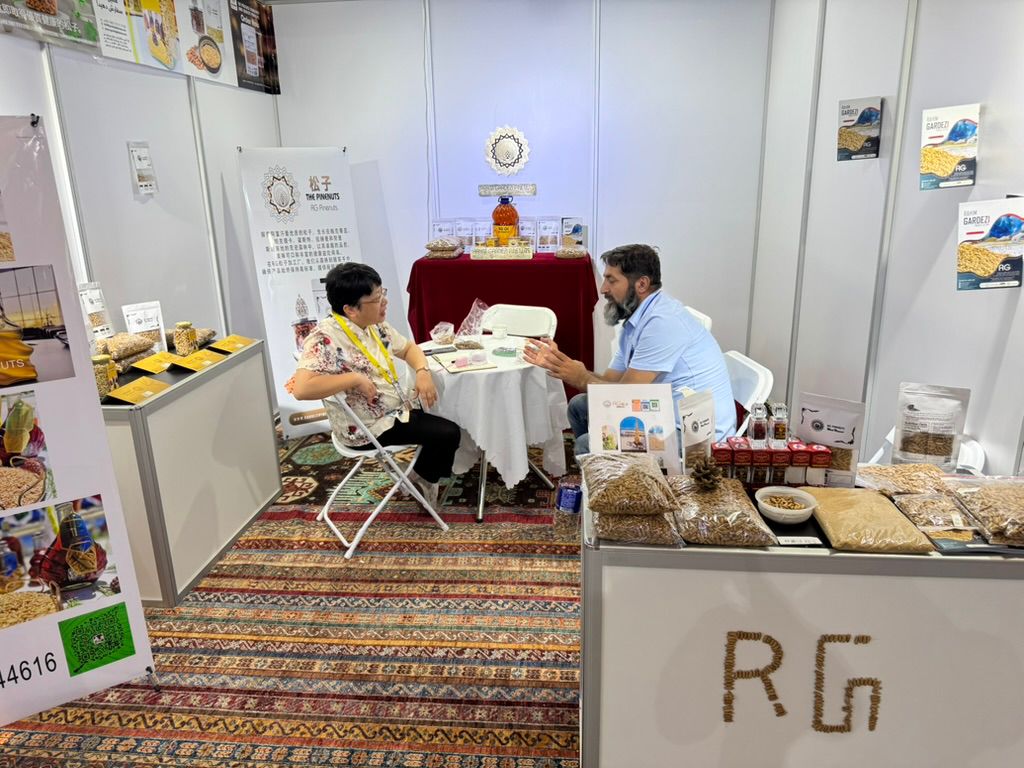
An international pine nut exporter is a business that prepares pine nuts and related products for shipment to buyers in foreign markets.
Depending on the exporter’s capabilities, products may include:
International customers may include:
A professional exporter should be able to provide clear information about origin, product specifications, processing, quality control, packaging, storage, documentation, and shipping arrangements.
Afghanistan is known for Chilgoza pine, scientifically identified as Pinus gerardiana. FAO documentation describes Chalghoza pine as occurring naturally in the dry temperate forests of Afghanistan, Pakistan, and India and identifies its kernels as an internationally traded food product.
Afghan pine nuts can therefore represent an important origin opportunity for international buyers seeking distinctive premium pine nut products.
For buyers sourcing Afghan pine nuts, however, origin should be only one part of the purchasing decision.
International buyers should also evaluate:
The objective is to connect the value of the origin with professional export practices.
International food trade involves considerably more than moving products from one country to another.
A professional exporter helps coordinate several stages of the supply chain:
Origin → Harvest → Collection → Processing → Sorting → Quality Control → Packaging → Storage → Documentation → Export → International Logistics → Buyer
Every stage can influence the final product.
An effective export operation should therefore focus on:
Buyers need products that meet agreed specifications across shipments.
Cleaning, shelling, sorting, grading, and handling should be managed systematically.
Pine nuts require appropriate storage management because their lipid content makes them susceptible to quality deterioration.
International transactions require appropriate commercial and shipping documentation according to the destination market and transaction terms.
Importers need clear communication about specifications, quantities, availability, lead times, packaging, and shipping.
Batch and supply-chain information can help buyers manage quality and commercial risk.
Pine nut kernels are among the most commercially important formats for international buyers.
They are ready for use in:
For commercial buyers, kernel specifications may include:
A professional exporter should discuss the buyer’s intended application before confirming specifications.
Whole pine nuts can be supplied for retail, foodservice, culinary, roasting, and specialty-food applications.
The appropriate format depends on the buyer’s market and intended use.
For example, a restaurant distributor may prioritize consistent kernels, while a specialty retailer may require attractive retail-ready packaging.
In-shell pine nuts can be used in traditional markets and specialty retail applications.
The presence of the shell can influence storage and handling characteristics, so exporters should match packaging and storage practices to the specific product.
Bulk pine nut exports can support:
Bulk buyers should evaluate not only the price per kilogram but also:
A lower initial price does not necessarily represent a lower total procurement cost if quality variation, damaged product, inconsistent specifications, or supply delays create additional costs.
Pine nut oil is a premium value-added product that can serve specialty food and culinary applications.
International buyers evaluating pine nut oil should consider:
Because edible oils can undergo oxidative deterioration, packaging and storage should be considered part of the product’s quality-management system.
Pine nut butter provides another value-added opportunity for international food businesses.
Potential applications include:
Commercial buyers should establish specifications for:
before entering a private-label or recurring supply agreement.
Processing is a critical stage in producing export-ready pine nuts.
A professional processing operation may involve several steps.
Incoming pine nuts should be assessed for characteristics such as:
Early quality assessment helps prevent unsuitable raw material from entering the finished-product supply chain.
Cleaning removes unwanted materials collected during harvesting and transportation.
Depending on the facility, cleaning may use mechanical systems and additional inspection processes.
For kernel products, shelling separates the edible kernel from the shell.
The objective is to achieve efficient kernel recovery while minimizing unnecessary mechanical damage.
Sorting can separate products according to characteristics such as:
Modern food-processing operations increasingly combine automated technologies with human quality-control procedures.
Before packaging, finished products should be evaluated against established specifications.
This helps ensure consistency between the product ordered by the buyer and the product shipped internationally.
The global food industry is increasingly adopting technologies designed to improve quality, traceability, efficiency, and shelf-life management.
Optical sorting technologies can help identify differences in:
Automated systems can complement trained human inspection and help standardize processing.
Machine-assisted inspection can support more consistent assessment of large production volumes.
Potential applications include:
The exact technology used should be validated for the product and processing environment.
Digital traceability can connect information across different stages of the supply chain.
Depending on the export operation, records may connect:
Batch → Processing → Packaging → Storage → Shipment
For international buyers, this can improve visibility and make quality investigations easier when required.
Packaging technology is an important area of ongoing nut-industry research.
A recent scientific review of nut oxidation examined the influence of harvesting, mechanical damage, transportation, processing, packaging, and storage on oxidative deterioration and identified areas such as smart packaging as potential future research directions.
For pine nuts, packaging strategies may therefore focus on reducing exposure to:
Potential approaches include barrier packaging, vacuum packaging, and controlled-atmosphere approaches such as nitrogen flushing, depending on the product and commercial requirements.
Quality assurance should not begin immediately before shipment.
It should extend throughout the supply chain.
A comprehensive quality-management approach can include:
Assess incoming products before processing.
Monitor cleaning, shelling, sorting, and handling.
Control moisture to help maintain product stability.
Reduce unnecessary exposure to oxygen, heat, and light.
Ensure packaging is intact and suitable for transportation.
Monitor conditions throughout storage.
Maintain appropriate batch records.
Verify the finished product against customer specifications.
Scientific research confirms that oxidation and deterioration in nuts can be affected by multiple points in the supply chain, including mechanical damage, transportation, processing, packaging, and storage.
Pine nuts contain natural oils, making appropriate storage especially important.
Factors that can influence quality include:
A professional exporter should establish storage procedures according to the product, packaging format, destination, and intended shelf life rather than applying one generic storage specification to every shipment.
For international shipments, storage management should continue beyond the processing facility.
Export packaging should protect the product during:
Processing → Storage → Handling → Transportation → Customs → Distribution → Final Use
Packaging may include:
The appropriate solution depends on the product, destination, shipment size, shelf-life requirements, and buyer specifications.
For private-label buyers, packaging may also need to accommodate:
Destination-market regulations should always be verified before finalizing labels.
Export documentation varies according to:
Depending on the transaction, commercial documentation may include:
The exporter and importer should confirm current requirements with the relevant authorities and customs professionals for the specific shipment.
Importers need suppliers that can support repeatable international procurement.
When evaluating an exporter, importers should consider:
Can the exporter maintain agreed specifications over multiple shipments?
Can the supplier support the buyer’s expected volume?
Can the exporter provide the documents required for the destination market?
Can the exporter supply packaging appropriate for the buyer’s distribution system?
Are specifications, production schedules, and shipping information communicated clearly?
Can individual batches be identified and documented?
Does the exporter understand international shipping requirements?
Wholesale distributors often need flexibility because they supply multiple customers with different requirements.
A professional exporter may support:
For distributors, supplier consistency can be especially important because their reputation depends on the products they provide to downstream customers.
Food manufacturers may use pine nuts as ingredients in:
Manufacturers should communicate their application requirements before purchasing.
For example, a manufacturer may require:
A qualified exporter can then align the product specification with the manufacturing application.
Pine nuts are used in many premium culinary applications.
Restaurants and hotels may use them for:
For hospitality businesses, consistent appearance, flavor, freshness, and supply availability can be important.
Bulk food-service packaging may also provide operational advantages compared with consumer-size packaging.
International pine nut trade should consider not only commercial value but also long-term resource management.
Responsible sourcing can involve:
This is particularly relevant to Afghan Chilgoza pine, where biodiversity documentation has identified pressures including unsustainable seed collection, timber cutting, and overgrazing in parts of its natural range.
A responsible exporter should therefore consider the long-term health of the resource alongside commercial supply.
Before placing a significant order, international buyers should ask:
Ask for clear information about where the pine nuts are sourced.
Species can affect characteristics, market positioning, and commercial expectations.
Determine whether the exporter supplies kernels, whole nuts, in-shell products, oil, butter, or other formats.
Ask about size, color, moisture, breakage, appearance, packaging, and other relevant parameters.
Understand the cleaning, shelling, sorting, and inspection process.
Ask about quality checks throughout the supply chain.
Understand temperature, moisture, packaging, inventory, and handling practices.
Determine whether bulk, food-service, retail, or private-label packaging is possible.
Confirm the documentation required for your market.
A sample can help buyers evaluate the product against their own specifications before a commercial order.
Confirm MOQ and whether recurring orders can be accommodated.
Discuss production and shipping timelines before placing orders.
International buyers may source pine nuts through:
Producer → Exporter → Importer → Distributor → Buyer
or through several additional intermediaries.
Direct relationships can potentially provide greater visibility into:
However, the appropriate sourcing structure depends on the buyer’s market, regulatory requirements, logistics capabilities, volume, and commercial model.
The key objective is establishing a supply chain with clearly defined responsibilities.
Afghan pine nuts, particularly Chilgoza, have distinctive geographic and cultural associations.
For international buyers, the commercial opportunity lies in combining this origin story with professional export practices.
A strong Afghan pine nut export proposition should connect:
Authentic Origin + Quality Processing + Consistent Specifications + Professional Packaging + Traceability + International Supply
This combination allows buyers to evaluate the product not simply as an agricultural commodity but as a premium ingredient with a documented supply chain.
RG Pinenuts | Premium Afghan Pine Nuts was founded in 2021 in Afghanistan and focuses on supplying high-quality Afghan pine nuts to international markets.
Its product range includes:
The business positions its products around careful processing, quality, hygiene, innovation, and trusted origin, with operations including standard processing and cold-storage practices.
For international B2B buyers, the focus is on connecting Afghan origin with professional product handling and export-oriented supply.
RG Pinenuts — Pure Quality. Trusted Origin.
Are you an importer, distributor, wholesaler, retailer, restaurant group, hotel, food manufacturer, or private-label brand looking for an international pine nut exporter?
Provide the following information when requesting a quotation:
Providing detailed specifications helps the exporter understand your requirements and prepare a more accurate commercial proposal.
Source premium pine nuts for international markets with a supply approach built around quality, professional processing, responsible sourcing, appropriate packaging, and dependable B2B relationships.
An international pine nut exporter prepares pine nuts and related products for overseas markets, including sourcing, processing, quality control, packaging, documentation, and export logistics.
Yes. Many exporters supply pine nut kernels in bulk to importers, distributors, food manufacturers, retailers, restaurants, and other commercial buyers.
Pine nuts can be traded internationally, but import requirements vary by destination. Buyers should verify current food-safety, customs, labeling, documentation, and phytosanitary requirements for their specific market.
Exporters can use appropriate packaging, storage controls, inventory management, and transportation procedures to reduce exposure to factors such as moisture, oxygen, heat, light, and physical damage.
Pine nuts contain natural oils and can be susceptible to oxidative deterioration. Research on nuts identifies packaging and storage as important factors affecting oxidation and quality preservation.
Some exporters offer private-label services. Buyers should confirm MOQ, packaging specifications, labeling requirements, artwork, production lead times, and destination-market regulations.
Ask about origin, species, product specifications, processing, quality control, storage, packaging, documentation, MOQ, lead times, samples, and international shipping arrangements.