
Chilgoza pine nuts are among the world’s most prized natural foods, known for their rich buttery flavor, soft texture, and premium market value. Grown in mountainous forests and traditionally harvested by hand, these pine nuts are more than just a snack or cooking ingredient—they are an important part of rural economies, especially in regions where pine forests provide seasonal income for families. Chilgoza pine nuts are especially well known in South and Central Asia, where they are appreciated for their taste, nutritional value, and cultural importance. If you’ve ever wondered where chilgoza pine nuts come from, why they are so expensive, or how they are used in food, this guide covers everything in one place.
From their natural habitat and harvesting methods to their health benefits and culinary uses, chilgoza pine nuts have a fascinating story. In this article, we’ll explore what makes them special, how they compare to other pine nuts, and why they continue to attract attention in local and international markets.
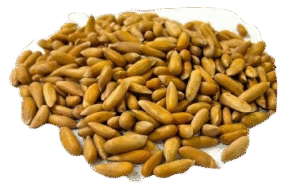
Chilgoza pine nuts are the edible seeds of the chilgoza pine tree, scientifically known as Pinus gerardiana. These seeds grow inside pine cones and are extracted after the cones are harvested and dried. Although people commonly call them nuts, they are technically seeds.
What makes chilgoza pine nuts stand out is their:
They are usually considered one of the finest types of pine nuts because of their taste and natural origin. Unlike many mass-produced ingredients, chilgoza pine nuts are often gathered from wild forest areas rather than intensive plantations.
Chilgoza pine trees grow in dry, mountainous regions with rocky terrain and moderate to cold climates. They are most commonly found in parts of:
These trees prefer high-altitude environments and well-drained soil. Since they grow in remote forests and rugged slopes, harvesting can be difficult and labor-intensive.
The natural habitat of the chilgoza pine tree plays a major role in the quality of the seeds. The combination of altitude, climate, and forest ecosystem contributes to the distinct flavor and texture that buyers recognize and value.
Chilgoza pine nuts are not just another edible seed. They are considered special for several reasons.
Most chilgoza pine nuts are harvested from wild or semi-wild forests, which gives them a unique identity.
They have a soft, buttery taste that many people prefer over other nuts and seeds.
They contain healthy fats, protein, and minerals.
In many communities, they are linked to seasonal harvests, family income, and cultural food traditions.
Chilgoza pine nuts are valued in local, regional, and international markets because of their quality.
This combination of taste, scarcity, and natural sourcing makes them one of the most respected pine nut varieties in the world.
Harvesting chilgoza pine nuts is a slow and labor-intensive process. The trees grow in mountainous forests, so collecting the cones can be physically demanding.
Because the harvest often takes place in remote mountain regions, the work can involve long walks, steep climbs, and careful handling. The entire process requires patience and skill.
One of the reasons chilgoza pine nuts are so valued is their nutritional profile. They are calorie-dense, but those calories come with beneficial nutrients.
They typically contain:
These nutrients make them a useful ingredient in a balanced diet. They can provide energy, help support satiety, and add nutrient density to meals. Because of their high oil content, chilgoza pine nuts are also rich and satisfying in small portions.
Chilgoza pine nuts are often included in discussions about healthy eating because of the nutrients they provide.
They contain mostly unsaturated fats, which are commonly associated with heart-conscious diets.
The combination of fat, protein, and some fiber can make meals more satisfying.
Vitamin E and plant compounds help protect cells from oxidative stress.
Their calorie density makes them a concentrated source of energy.
They provide important minerals that support many normal body functions.
While they are not a cure for any condition, chilgoza pine nuts can be part of a nutritious, balanced eating pattern.
Chilgoza pine nuts have a smooth, buttery taste with a mild sweetness and rich mouthfeel. They are soft compared with many other nuts and seeds, and their flavor is delicate rather than overpowering.
People often describe them as:
Because of this profile, they work well in both savory and sweet dishes. A small amount can add a lot of flavor without overwhelming other ingredients.
Chilgoza pine nuts are highly versatile in the kitchen. They can be eaten raw, toasted, or added to a wide range of recipes.
Their mild flavor makes them easy to pair with many foods. In some cuisines, they are used in celebratory meals and festive dishes. In others, they appear as a premium garnish or ingredient in gourmet recipes.
There are many easy ways to enjoy chilgoza pine nuts.
They can be eaten directly as a snack or added to dishes without cooking.
Lightly toasting them brings out their aroma and deepens their flavor. Be careful, though, because they can burn quickly.
They work beautifully in basil pesto and similar herb-based sauces.
A sprinkle of chilgoza pine nuts adds richness and texture.
They pair well with olive oil, garlic, herbs, cheese, and vegetables.
Rice, couscous, quinoa, and farro all benefit from their buttery flavor.
They can be used in pastries, desserts, and sweet rice dishes.
Chilgoza pine nuts are often expensive, and there are several reasons for that.
The trees grow in remote mountain areas, making collection labor-intensive.
They are not produced in huge commercial quantities.
It takes time for chilgoza pine trees to mature and produce cones.
Shelling, sorting, and packaging require time and care.
Moving products from mountain forests to markets is not easy.
Buyers value them for quality and flavor, which keeps prices strong.
Because of these factors, chilgoza pine nuts are usually sold at a premium compared with more common nuts and seeds.
Chilgoza pine nuts depend on healthy forests, so sustainability is critical. If the forest ecosystem is damaged, the supply of pine nuts can decline.
Protecting chilgoza pine forests helps preserve biodiversity, soil health, and the livelihoods of people who depend on the harvest. When forests are managed responsibly, they can continue producing pine nuts for years to come.
In many rural communities, chilgoza pine nuts are more than food—they are a source of income and trade. Seasonal harvesting can support families, traders, processors, and exporters.
The economic value of chilgoza pine nuts often comes from:
For communities living in mountainous areas, the pine nut season can be a major financial event. Because of this, chilgoza pine nuts are often seen as a strategic natural resource.
Since chilgoza pine nuts contain natural oils, proper storage is important to keep them fresh.
If they smell stale, oily in a bad way, or bitter, they may have gone bad. Freshness has a big effect on taste and quality.
If you are buying chilgoza pine nuts, look for signs of quality.
Because they are premium and delicate, the best chilgoza pine nuts should smell pleasant and taste rich, not stale or harsh.
Chilgoza pine nuts are often compared with other pine nut varieties. What sets them apart is their premium origin, flavor, and natural forest sourcing.
Compared with many other pine nuts, chilgoza pine nuts are often:
That said, quality can vary depending on harvest method, storage, and processing. Freshness is always important, no matter where the pine nuts come from.
They are the edible seeds of the chilgoza pine tree, known for their buttery flavor and premium quality.
They grow in mountainous forest regions of Afghanistan, Pakistan, India, and nearby areas.
Yes, they contain healthy fats, protein, and important minerals.
They are difficult to harvest, limited in supply, and costly to process and transport.
You can eat them raw, toasted, or use them in salads, pesto, pasta, grains, and desserts.
Chilgoza pine nuts are a remarkable natural food with a rich history, premium flavor, and strong cultural value. They are harvested from mountain forests, appreciated for their buttery taste, and treasured in both local and global markets. Their nutritional benefits, versatility in cooking, and connection to rural livelihoods make them much more than a luxury ingredient.
Whether you enjoy them raw, toasted, or in recipes, chilgoza pine nuts offer a unique combination of taste and nutrition. Because they are rare, labor-intensive to harvest, and deeply tied to forest ecosystems, they remain one of the most distinctive and valuable pine nut varieties in the world.