
Pine nut suppliers in Afghanistan play a major role in one of the world’s most valuable natural food markets. Afghanistan is known for producing high-quality pine nuts, especially chilgoza pine nuts, which are prized for their buttery flavor, premium appearance, and natural forest origin. For buyers looking for bulk supply, export-ready product, or trusted sourcing partners, Afghan suppliers can offer strong value—but only if you know what to look for. From quality standards and harvesting methods to packaging, logistics, and export documentation, choosing the right supplier can make a big difference in product performance and customer satisfaction.
If you are a wholesaler, importer, distributor, retailer, food manufacturer, or just someone researching the Afghan pine nut trade, this guide will help you understand the market more clearly. We will cover where the pine nuts come from, what makes Afghan suppliers unique, how to evaluate product quality, and how to build reliable sourcing relationships.
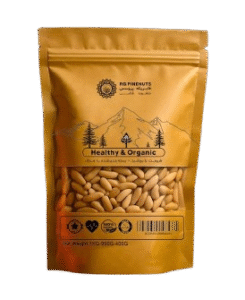
Afghanistan is one of the best-known sources of premium pine nuts in the region. Its mountain forests produce natural, wild-harvested pine nuts that are highly valued in local and international markets.
Several factors make Afghanistan important:
Because of these qualities, Afghan suppliers have become important partners for buyers seeking natural, high-value pine nuts.
When people talk about pine nut suppliers in Afghanistan, they are often referring to chilgoza pine nuts. These are the edible seeds of the chilgoza pine tree, scientifically known as Pinus gerardiana.
Chilgoza pine nuts are known for:
Unlike many commodity nuts, chilgoza pine nuts are often harvested from natural mountain forests rather than intensive farms. That gives them a unique identity and makes the supply chain more complex.
The most important pine nut regions in Afghanistan are generally found in the eastern and southeastern provinces. These areas have the climate, elevation, and forest ecosystems needed for pine trees to grow well.
Common growing regions include:
These areas are often mountainous and remote, which affects both harvesting and transportation. The natural environment contributes to product quality, but it also creates logistical challenges for suppliers and buyers.
Afghan suppliers may offer a range of product types depending on their scale and processing capabilities.
Some suppliers focus on domestic trade, while others specialize in export. Larger suppliers may also offer packaging services, sorting, grading, and documentation support.
Buyers choose Afghan pine nut suppliers for several reasons.
Afghan pine nuts are known for rich flavor and high-value kernels.
Many buyers prefer wild or semi-wild forest sourcing.
Afghan suppliers can serve international markets that value specialty nuts.
The harvesting process adds to the product’s story and appeal.
For certain grades and origins, Afghan pine nuts can offer strong value in the premium segment.
For buyers who want a distinctive product with a strong origin story, Afghan suppliers are often a natural choice.
Understanding harvesting helps explain why Afghan pine nuts are valued so highly.
The process often includes:
Because the work is labor-intensive and often takes place in remote mountain terrain, the supply chain can be difficult. That means buyers should look for suppliers who understand quality handling from the start.
Not all suppliers offer the same level of service or product quality. If you want a dependable sourcing partner, here are the most important factors to evaluate.
Fresh pine nuts should smell pleasant and buttery, not stale or bitter.
A good supplier should sort pine nuts by size, quality, and breakage level.
The nuts should be free from debris, dust, and contamination.
Packaging should protect the product from moisture, heat, and air exposure.
A trustworthy supplier should clearly explain where the product comes from.
If you are buying for international shipment, the supplier should understand export paperwork and shipping requirements.
Quick responses and clear information are signs of a professional supplier.
If you need regular orders, the supplier must be able to deliver consistently.
When comparing suppliers, it helps to know what high-quality pine nuts should look and taste like.
A supplier with good handling practices should be able to provide a product that looks clean and tastes fresh.
Because pine nuts contain natural oils, packaging is extremely important. Poor packaging can cause the product to spoil faster or lose flavor during transport.
Good packaging may include:
If you are buying from pine nut suppliers in Afghanistan for export, packaging becomes even more important because the product may travel long distances and face changing temperatures.
Pine nuts should be stored carefully to preserve freshness.
Since pine nuts can go rancid if stored badly, buyers should make sure their supplier uses proper storage methods before shipment. A good supplier will understand that freshness is critical.
If you are buying for import or resale, paperwork matters. Pine nut suppliers in Afghanistan who serve export markets should be able to provide the correct documentation.
Common documents may include:
These documents help ensure smooth customs clearance and build trust between buyer and supplier.
The price of Afghan pine nuts can vary depending on many factors.
Because pine nuts are labor-intensive to harvest and naturally limited in supply, they tend to be a premium product. Buyers should compare total landed cost, not just the quoted product price.
If you are buying directly from pine nut suppliers in Afghanistan, here are a few ways to make smarter decisions.
Before placing a large order, ask for samples to test taste, freshness, and quality.
A lower quote may not be better if quality or service is poor.
Find out how long the product will stay fresh under proper storage.
Bulk, retail, and export packaging are not the same.
Understand how long the supplier needs to prepare and ship the order.
Good suppliers answer questions clearly and quickly.
Ask where the nuts were harvested and how they were cleaned and packed.
Afghan pine nuts are sold in both local and international markets. Demand can come from a wide range of buyers.
The versatility of pine nuts makes them useful in many product categories, from cooking ingredients to premium snacks.
One reason the market for Afghan pine nuts remains strong is that the product is incredibly versatile.
Their buttery flavor and soft texture make them useful in both savory and sweet recipes. This adds to their value for food businesses and retailers.
The future of pine nut suppliers in Afghanistan depends on healthy forests. Since many pine nuts come from natural or semi-wild forest environments, sustainable management is essential.
Sustainability matters because it helps:
Suppliers and buyers who care about long-term supply should pay attention to how the nuts are harvested and whether forest ecosystems are being protected.
A good Afghan supplier can be more than just a product source. They can become a long-term business partner.
They may help you with:
For buyers in the premium nut and dry fruit sector, these supplier relationships can create better reliability and stronger margins over time.
If you want to work successfully with pine nut suppliers in Afghanistan, clear communication is important.
Long-term relationships often lead to smoother transactions and better supply stability.
They may sell raw, shelled, roasted, wild, bulk, or chilgoza pine nuts.
They are known for premium flavor, natural sourcing, and strong export reputation.
Yes. They are highly valued in premium food markets.
Ask for samples, verify packaging, check freshness, and review product specifications.
Invoice, packing list, origin documents, and any required certificates or inspection reports.
Pine nut suppliers in Afghanistan play an important role in a high-value and internationally recognized market. Afghan pine nuts, especially chilgoza, are prized for their flavor, natural origin, and premium quality. For buyers, the key is not just finding any supplier, but choosing one that can deliver freshness, consistency, proper packaging, and reliable export support.
Whether you are sourcing for retail, wholesale, foodservice, or export, the best supplier will be transparent about origin, careful with handling, and dependable in communication. Because pine nuts are delicate and valuable, the right sourcing partner can make a major difference in the success of your business.