
Afghan pine nuts are among the world’s most prized natural foods, known for their rich buttery taste, delicate texture, and premium market value. Harvested from mountain forests and traditionally collected by hand, they are more than just a snack ingredient—they are an important source of income for rural communities and a major export product for Afghanistan. In many places, Afghan pine nuts are valued for their natural origin, distinctive flavor, and high nutritional content. They are used in both everyday cooking and gourmet recipes, and their reputation continues to grow in international markets. If you want to understand why Afghan pine nuts are so highly regarded, it helps to look at where they come from, how they are harvested, what makes them special, and why they matter to both local livelihoods and global trade.
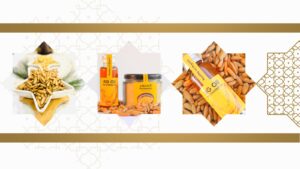
Afghan pine nuts are the edible seeds of pine trees that grow in Afghanistan’s mountain forests. The most famous variety is often associated with the chilgoza pine, a species that produces large, flavorful seeds with a rich, creamy taste.
Although people call them nuts, they are technically seeds found inside pine cones. Once the cones mature, they are harvested, dried, and opened so the seeds can be removed. The shells are then cracked or removed, leaving the edible kernels that are sold and used in food.
These seeds are considered premium because of their:
Unlike many mass-produced seeds or nuts, Afghan pine nuts are often gathered from wild or semi-wild forests rather than large plantations. This gives them a unique character and a strong connection to the landscape they come from.
Afghanistan’s pine nut forests are mainly found in the eastern and southeastern parts of the country. Provinces such as Khost, Paktia, Paktika, Nangarhar, Kunar, Nuristan, and Laghman are especially important for pine nut production.
These regions have the altitude, dry climate, and forest conditions that pine trees need to thrive. The trees often grow on steep slopes and rugged mountain terrain, which makes harvesting difficult but also helps protect the forests from intensive agriculture.
Because of the natural environment, Afghan pine nuts are often seen as a forest product tied closely to ecology, local tradition, and rural livelihoods.
There are many pine nuts in the world, but Afghan pine nuts stand out for several reasons.
They are known for a buttery, slightly sweet flavor that works well in both savory and sweet dishes.
Many Afghan pine nuts come from wild forests rather than industrial farms.
Buyers often view them as a high-end ingredient because of their quality and scarcity.
They are sold in local, regional, and international markets, often at premium prices.
In many communities, pine nut harvesting is a seasonal activity that supports families and traditions.
This combination of flavor, origin, and value makes Afghan pine nuts one of Afghanistan’s most important natural products.
Harvesting Afghan pine nuts is a labor-intensive process that takes place in remote mountain forests. The work is often done by local families and seasonal laborers, many of whom depend on the harvest for income.
Because the forests are far from major roads and markets, the entire process can be physically demanding. Workers often travel long distances and carry heavy loads. This is one reason the nuts are expensive and considered a premium product.
Afghan pine nuts are more than a food item—they are an economic lifeline for many rural households. The harvest season can provide vital income in places where other jobs are limited.
They contribute to the economy by:
For many families, pine nuts are one of the most valuable forest products they can collect. In good harvest years, the income can help cover food, school expenses, healthcare, and household needs. That makes Afghan pine nuts important not only as a commercial product but also as a livelihood resource.
Afghan pine nuts are nutrient-dense and can be a healthy addition to the diet when eaten in moderation. They contain a mix of fats, protein, and micronutrients.
Typical nutritional qualities include:
These nutrients contribute to energy, satiety, and overall nutritional value. Because pine nuts are rich in natural oils, they are also calorie-dense. A small serving can provide a concentrated source of energy and flavor.
Afghan pine nuts are often appreciated for more than taste. Their nutrient profile offers several potential health benefits as part of a balanced diet.
Their fats are mostly unsaturated, which can fit well into heart-conscious eating patterns.
Their combination of fat and protein can help meals feel more satisfying.
Vitamin E and other compounds help protect cells from oxidative stress.
Their calorie density makes them a concentrated source of fuel.
Minerals like magnesium, zinc, and iron support normal body functions.
While they are not a cure-all, Afghan pine nuts can be a valuable ingredient in a healthy eating pattern.
One of the biggest reasons people love Afghan pine nuts is their flavor. They are soft, buttery, and mildly sweet with a rich mouthfeel.
Compared with some other nuts or seeds, they are:
This makes them easy to use in a wide variety of dishes. A small amount can transform a recipe without overpowering it.
Afghan pine nuts are highly versatile in the kitchen. They can be eaten raw, lightly toasted, or blended into recipes.
In Afghan cuisine, they may appear in festive meals or special dishes. In international cooking, they are often used in Mediterranean, Middle Eastern, and gourmet recipes. Their flavor pairs especially well with herbs, olive oil, cheese, citrus, grains, and roasted vegetables.
There are many simple ways to enjoy Afghan pine nuts.
You can eat them straight from the package or add them to recipes without cooking.
Lightly toasting them brings out a deeper aroma and richer flavor. Be careful, though—they can burn quickly.
They are a classic ingredient in basil pesto and herb sauces.
A small handful can add crunch and richness to leafy greens and vegetable salads.
They work well with olive oil, garlic, herbs, tomatoes, and Parmesan.
Rice, couscous, quinoa, and farro all benefit from a sprinkle of pine nuts.
They can be used in pastries, sweet rice dishes, and other festive recipes.
Because they are so rich in flavor, you usually only need a little to make a big impact.
Afghan pine nuts often command high prices, and there are several reasons for that.
The trees grow in remote mountain areas, making collection hard and time-consuming.
They are not produced in huge industrial quantities.
Pine trees take years to mature and produce harvestable cones.
Shelling, cleaning, and sorting require labor and care.
Moving products from remote forests to markets is difficult and costly.
Buyers value the nuts for their quality, taste, and origin.
This combination of scarcity and effort makes Afghan pine nuts a premium product.
The future of Afghan pine nuts depends on healthy forests. Since many nuts are harvested from natural forest ecosystems, sustainability is essential.
Responsible management can help:
If forests are damaged by overuse, fire, or land degradation, pine nut supply can decline. That is why conservation and sustainable harvesting are so important. When managed well, Afghan pine nut forests can provide value for generations.
If you are buying Afghan pine nuts, quality matters. Here’s what to look for:
Because pine nuts can go rancid if stored poorly, freshness is one of the most important signs of quality. Good Afghan pine nuts should smell pleasant and taste buttery, not stale or bitter.
To keep Afghan pine nuts fresh, store them properly.
Since they contain natural oils, they can spoil faster than some other dry foods. Good storage helps protect flavor and nutritional quality.
Afghan pine nuts have become increasingly important in international markets. Buyers value them for their quality and premium image. Exports can create opportunities for:
For Afghanistan, pine nuts are a high-value product with strong export potential. With better logistics, packaging, and market access, the sector could become even more important.
Afghan pine nuts are the edible seeds of pine trees grown in Afghanistan, especially the chilgoza pine.
They are known for their rich flavor, premium quality, and natural forest origin.
Yes, they contain healthy fats, protein, and important minerals.
They are mainly harvested from mountain forests in eastern and southeastern Afghanistan.
They are difficult to harvest, limited in supply, and costly to process and transport.
Afghan pine nuts are one of Afghanistan’s most valuable natural products. They combine rich flavor, nutritional value, and strong cultural and economic importance. Harvested from mountain forests and prized in both local and global markets, they represent a connection between nature, tradition, and trade.
From the forests of Khost and Paktia to kitchens around the world, Afghan pine nuts have earned their reputation as a premium ingredient. They are delicious, versatile, and deeply tied to the livelihoods of rural communities. If you are looking for a natural product with a meaningful story and exceptional taste, Afghan pine nuts are truly worth knowing about.