
Raw pine nuts are a simple yet premium ingredient that can add richness, texture, and nutrition to everyday meals. These small, pale seeds are known for their soft bite and buttery flavor, which makes them popular in salads, pesto, grain bowls, baked goods, and snack mixes. Because they are eaten without roasting, raw pine nuts keep their delicate taste and natural texture intact, making them especially appealing for people who want a mild, clean flavor in their food.
If you’ve ever bought a bag of raw pine nuts and wondered how to use them, whether they are healthy, or how they compare with roasted pine nuts, this guide will walk you through everything you need to know. We’ll look at nutrition, health benefits, food uses, storage tips, buying advice, and a few things to watch out for so you can enjoy them confidently.
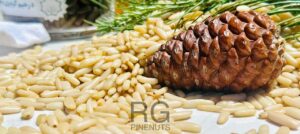
Raw pine nuts are the edible seeds of certain pine trees that have been harvested, cleaned, and sold without roasting. Despite the name, they are not true nuts botanically; they are seeds found inside pine cones.
They are usually:
Because they are not exposed to heat during processing, raw pine nuts preserve their original taste and texture. Many people prefer them for recipes where they want a subtle, creamy nut flavor rather than the stronger taste that comes from roasting.
Raw pine nuts are nutrient-dense, meaning they offer a lot of nutrition in a small serving. A typical 1-ounce serving, about 28 grams, contains approximately:
They also provide important micronutrients, including:
Most of the fat in raw pine nuts is unsaturated fat, especially monounsaturated fat. That is one reason they are often included in heart-conscious and Mediterranean-style eating patterns.
There are several reasons people buy raw pine nuts instead of roasted ones.
Raw pine nuts have a soft, buttery taste that is less intense than roasted nuts.
Their light flavor works well in dishes where you don’t want a strong toasted note.
You can use them raw, lightly toast them, or blend them into sauces and spreads.
Because they are not heated during processing, they keep their original profile intact.
Raw pine nuts work in salads, pesto, desserts, grain bowls, and snack mixes.
For many cooks, raw pine nuts offer the most flexibility because they can be used as-is or prepared further depending on the recipe.
Raw pine nuts offer several potential health benefits when eaten in moderation as part of a balanced diet.
Raw pine nuts are rich in unsaturated fats, which are generally considered more favorable than saturated or trans fats when eaten in moderation. They can fit well into diets that emphasize plant foods and healthy fats.
They provide a modest amount of protein, which helps contribute to daily intake, especially for people eating more plant-forward meals.
Raw pine nuts contain magnesium, zinc, iron, and phosphorus. These minerals are involved in many normal body functions, including energy production and immune support.
Vitamin E in pine nuts acts as an antioxidant, helping protect cells from oxidative stress.
Their combination of fat, protein, and a little fiber can make meals feel more satisfying, even in small amounts.
Raw pine nuts are not a magic food, but they are a nutritious ingredient that can improve both the flavor and the nutrient quality of meals.
Many people want to know whether raw pine nuts are better than roasted pine nuts. The answer depends on what you want.
If you want a subtle flavor, raw pine nuts are the best choice. If you want a deeper, toastier taste, roasting them is a good option. Many home cooks keep raw pine nuts on hand because they can always be toasted later if desired.
One of the best things about raw pine nuts is how easy they are to use. You don’t need much preparation.
A small handful of raw pine nuts makes a simple, nutrient-rich snack.
They add softness and richness to leafy greens, vegetable salads, and grain salads.
Raw pine nuts are a classic ingredient in basil pesto.
They go well with rice, quinoa, farro, couscous, and other grains.
Raw pine nuts can be added to breads, cookies, pastries, and savory bakes.
They provide a mild crunch and a more luxurious texture.
They work especially well with olive oil, garlic, spinach, herbs, and cheese.
Because the flavor is so subtle, raw pine nuts can blend into many types of food without overpowering the dish.
If you want practical ideas, here are some easy ways to use raw pine nuts at home.
Blend basil, garlic, olive oil, Parmesan, salt, and raw pine nuts for a fresh sauce.
Add raw pine nuts to arugula, spinach, tomatoes, cucumber, and feta for a light but satisfying salad.
Combine quinoa, roasted vegetables, chickpeas, and raw pine nuts with a lemon dressing.
Top plain yogurt with fruit, honey, and a spoonful of pine nuts for a simple breakfast or snack.
Toss pasta with olive oil, spinach, lemon zest, and raw pine nuts for a quick meal.
Mix raw pine nuts into muffins, cookies, or savory breads for added texture and richness.
These recipes are simple, but they show how flexible raw pine nuts can be in everyday cooking.
Even if you buy raw pine nuts, you can toast them whenever you want a stronger flavor.
Toasting is optional, but it’s a great way to change the flavor profile without buying a separate product.
Raw pine nuts contain natural oils, which means proper storage is important.
Fresh raw pine nuts should smell mild and pleasant. If they smell bitter, oily in a bad way, or stale, they may be rancid.
Because they are delicate, it’s smart to buy only as much as you expect to use within a reasonable time.
When buying raw pine nuts, quality matters. Look for:
If a package smells off when opened, it’s better not to use it. Since pine nuts are costly, freshness is worth paying attention to.
Raw pine nuts are safe for many people, but there are a few cautions to keep in mind.
They are nutritious, but they are also calorie-rich. Large portions can add up quickly.
Because of their oil content, raw pine nuts can spoil more quickly than some other nuts if stored badly.
A rare temporary condition called “pine mouth” has been reported by some people after eating certain pine nuts. It can cause a bitter or metallic taste that usually goes away with time.
For most people, raw pine nuts are fine in moderation and fit well into a balanced diet.
Raw pine nuts can fit into many eating styles:
They pair naturally with olive oil, herbs, grains, vegetables, and fish.
They offer healthy fats and a bit of protein for plant-based meals.
They are naturally gluten-free.
They work well as a minimally processed ingredient.
Because they are versatile and nutrient-rich, raw pine nuts are easy to include in a wide variety of menus.
Yes, raw pine nuts are safe to eat for most people when stored properly and eaten in moderate amounts.
No, they can be eaten raw. Cooking or toasting is optional.
Both can be healthy. Raw pine nuts have a milder flavor, while roasted pine nuts have a stronger taste. The best choice depends on your recipe.
They are difficult to harvest, have limited supply, and require careful processing and storage.
They last longer if refrigerated or frozen after opening. Room-temperature storage shortens their shelf life.
Raw pine nuts are a versatile, nutrient-rich ingredient that can add a lot of value to your kitchen. They are soft, buttery, and easy to use in everything from salads and pesto to grain bowls and baked goods. Their mild flavor makes them especially useful when you want something elegant but not overpowering.
They are also a good source of healthy fats, minerals, and antioxidants, which makes them a smart addition to balanced meals. Since they are calorie-dense and delicate, the best approach is to use them thoughtfully and store them properly.
If you want an ingredient that is simple, premium, and easy to adapt to many recipes, raw pine nuts are an excellent choice.